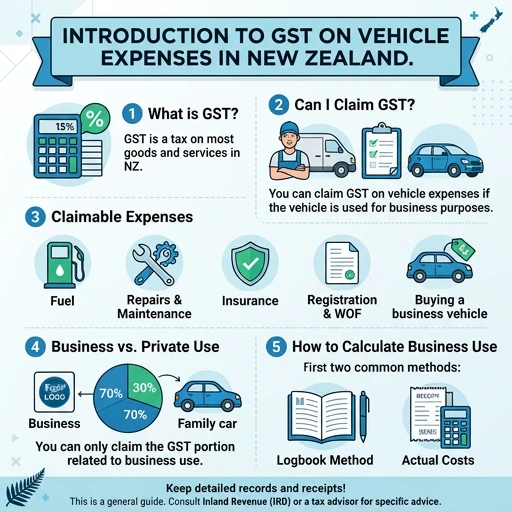
- Understand how GST applies to vehicle expenses for businesses in New Zealand.
- Learn the difference between claiming 100% GST on work-only vans versus using the logbook method.
- Discover the 15% immediate GST “discount” for registered businesses on vehicle servicing.
- Get practical tips on record-keeping and choosing the right method for your business vehicle.
- We are a local Kiwi-owned rental car company based in Māngere, Auckland, helping tradies navigate GST and vehicle expenses.
Introduction to GST on Vehicle Expenses in NZ
If you’re a tradie, sole trader, or business owner in New Zealand, understanding GST on vehicle expenses is key to managing your business finances effectively. Vehicle costs often make up a significant portion of business expenses, and knowing how to claim GST correctly can save you money and headaches come tax time.
We are a local Kiwi-owned rental car company based in Māngere, Auckland, and we know how important it is to get these details right. In this guide, we’ll break down the essentials of GST on vehicle expenses for 2026, including the difference between claiming GST on work-only vans and using the logbook method for mixed-use vehicles.
Understanding GST on Vehicle Expenses
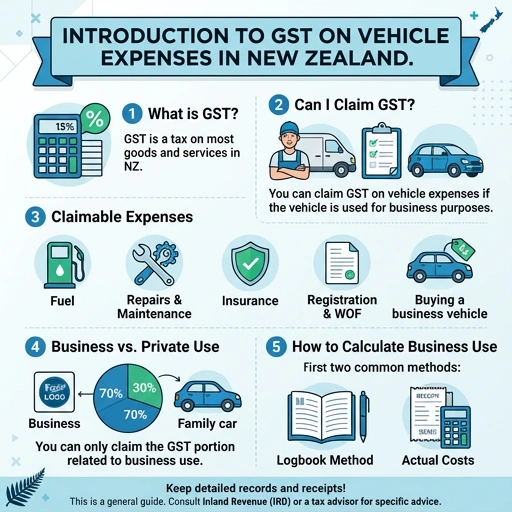
In New Zealand, GST (Goods and Services Tax) is a 15% tax on most goods and services, including vehicle expenses related to your business. When you purchase or maintain a vehicle for business use, you’re generally entitled to claim back the GST portion of those expenses.
However, how much GST you can claim depends on the type of vehicle and how you use it:
- Work-only vans: If your vehicle is used 100% for business, such as a tradie’s van with no private use, you can claim 100% of the GST on vehicle expenses.
- Logbook method: For vehicles used partially for business and partially for private use, you must use a logbook to determine the percentage of business use and claim GST accordingly.
Choosing the right method is critical to stay compliant with IRD rules and get the maximum tax benefit.
Work-Only Vans vs Logbook Method
For tradies who use a van exclusively for work, the rules are straightforward. You can claim 100% of the GST on all vehicle expenses including servicing, fuel, repairs, and even vehicle depreciation.
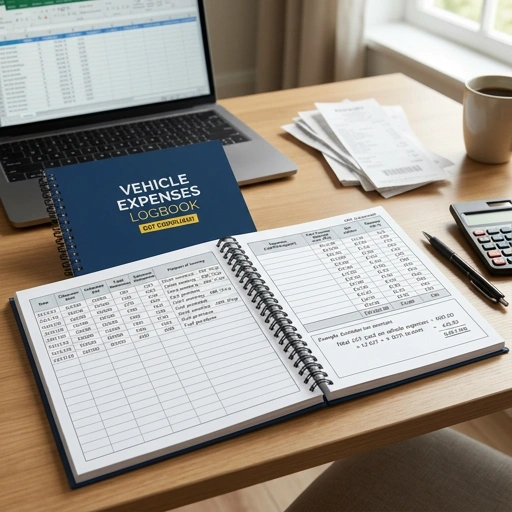
For vehicles with mixed business and private use, such as a ute or car used for both work and personal trips, the IRD requires you to keep a logbook for at least 90 days. The logbook records all trips and calculates the percentage of business use, which determines the GST you can claim.
| Method | Who It’s For | GST Claim Percentage | Key Requirement |
|---|---|---|---|
| Work-Only Van | Vehicles used 100% for business | 100% | No private use, proof of business use |
| Logbook Method | Vehicles with mixed use | Proportional to business use | Maintain a 90-day logbook |
Using the logbook method requires diligence but ensures you claim the correct GST amount without risking penalties.
The 15% GST “Discount” for Registered Businesses
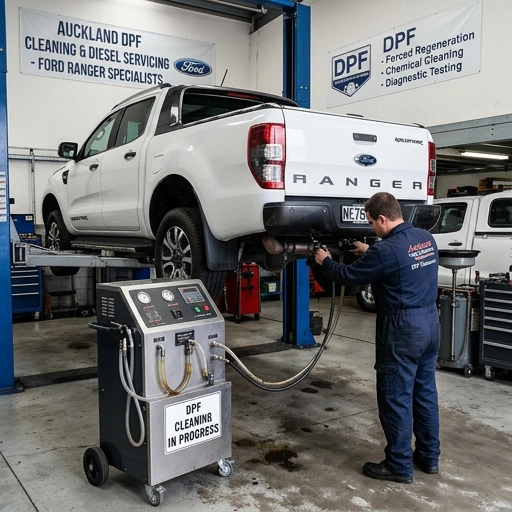
When you’re registered for GST, you effectively get a 15% “discount” on your vehicle servicing and other expenses related to your business vehicle. This is because you can claim the GST portion (15%) back from the IRD, reducing your overall cost.
This immediate rebate helps with cash flow and lowers the true cost of maintaining your business vehicles, whether you own a work-only van or use a logbook method for mixed-use vehicles.
Keep in mind, only GST-registered businesses can claim this rebate, so if you haven’t registered yet, it’s worth discussing with your accountant.

Record-Keeping and Accounting Software for GST Vehicle Claims
Accurate record-keeping is essential to support your GST claims on vehicle expenses. Whether you use a paper logbook or a digital logbook app like Driversnote, maintaining clear records ensures compliance and eases your accountant’s work.
Popular accounting software such as Xero and MYOB integrate well with vehicle expense tracking and GST reporting, making it easier for sole traders, partnerships, and companies to manage their finances efficiently.
- Use a reliable logbook app to track business vs private mileage.
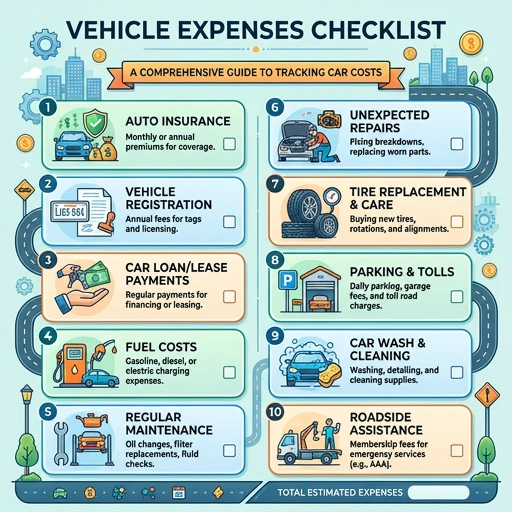
- Keep all vehicle-related invoices and receipts for GST claims.
- Consult your accountant regularly to optimise your tax deductions.
Checklist for Claiming GST on Vehicle Expenses
- Register for GST: Ensure your business is GST-registered with IRD.
- Determine vehicle use: Confirm if the vehicle is work-only or mixed use.
- Maintain a logbook: For mixed-use vehicles, keep a 90-day logbook using an app or manual records.
- Keep invoices: Save all receipts for servicing, fuel, repairs, and vehicle purchases.
- Use accounting software: Track expenses and GST claims accurately with software like Xero or MYOB.
- Consult your accountant: Regularly review your claims to stay compliant and maximise deductions.
FAQ
Can I claim 100% GST if I use my van only for work?
Yes, if your van is used exclusively for business purposes with no private use, you can claim 100% of the GST on vehicle expenses. You should keep evidence showing the vehicle is work-only.
What if I use my vehicle for both business and personal trips?
You need to keep a logbook for at least 90 days to calculate the percentage of business use. You can then claim GST on expenses proportional to that business percentage.
How often do I need to update my logbook?
A logbook must cover a continuous 90-day period and be updated whenever your vehicle usage or business circumstances change significantly.
Do I need to be GST-registered to claim GST on vehicle expenses?
Yes, only GST-registered businesses can claim GST on vehicle expenses. If you’re not registered, you cannot claim GST back on these costs.
Can I claim GST on loan repayments for a business vehicle?
You can claim GST on the interest portion of loan repayments if the vehicle is used for business. However, the principal repayment does not have GST.
What records should I keep for GST claims?
Keep all invoices, receipts, and logbooks related to your vehicle expenses. These documents support your GST claims during IRD audits or reviews.
Does Fringe Benefits Tax (FBT) affect GST claims on vehicles?
FBT is a separate tax on private use of a company vehicle. It does not affect your ability to claim GST on business expenses but should be considered in your overall tax planning.
Contact Us for GST Vehicle Expense Advice
We are a local Kiwi-owned rental car company based in Māngere, Auckland, and we understand the challenges tradies face managing GST and vehicle expenses. We provide reliable, affordable cars across New Zealand through trusted partners and can help you navigate GST rules with confidence.
Whether you need a work-only van or a vehicle for mixed business use, we’re experienced travellers ourselves — we know how important a good car is for a great trip and smooth business operations. Book your rental car with us today for flexible options and personalised support.








1 Comment