- Understanding the difference between repair and maintenance costs versus capital improvements is crucial for claiming tax deductions on your work van in New Zealand.
- Oil changes and routine servicing are typically 100% deductible as revenue expenses under IRD rules.
- Depreciation and the Low-Value Asset Write-off can affect how you claim larger vehicle expenses.
- Small businesses and sole traders must keep clear records and understand GST implications on vehicle expenses.
- Using the correct method for vehicle expense claims, such as the logbook or kilometre rate method, can help maximise your deductions.
Introduction to Tax Deductible Business Expenses in NZ
For small businesses and sole traders in New Zealand, understanding which business expenses are tax deductible is vital for managing cash flow and reducing taxable income. Vehicle expenses, especially for work vans used in day-to-day operations, are a common area of interest and sometimes confusion.
We are a local Kiwi-owned rental car company based in Māngere, Auckland, and while we specialise in reliable vehicles, we also know how important it is for small businesses to navigate Inland Revenue (IRD) rules effectively. This guide breaks down key points about tax deductions for your 2026 work van, focusing on what expenses you can claim and how to differentiate routine maintenance from capital improvements.
Repair & Maintenance vs Capital Improvements
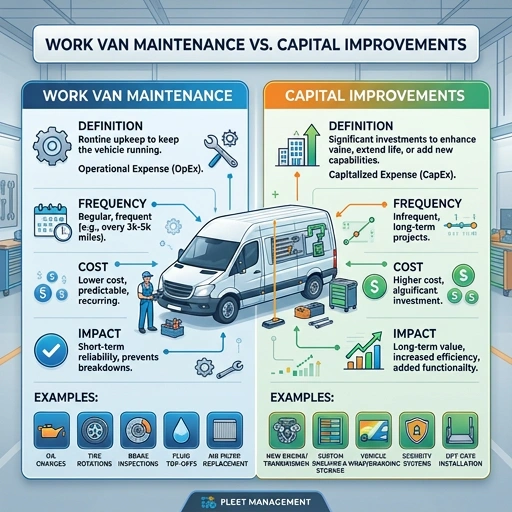
When it comes to claiming expenses on your work van, the Inland Revenue distinguishes between revenue expenses and capital expenditures. This distinction impacts whether the cost is immediately deductible or must be depreciated over time.
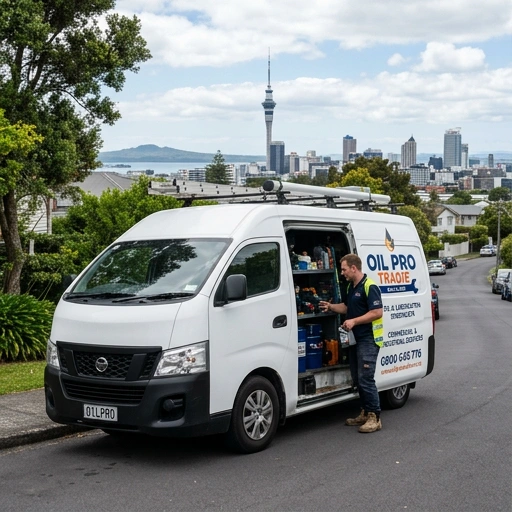
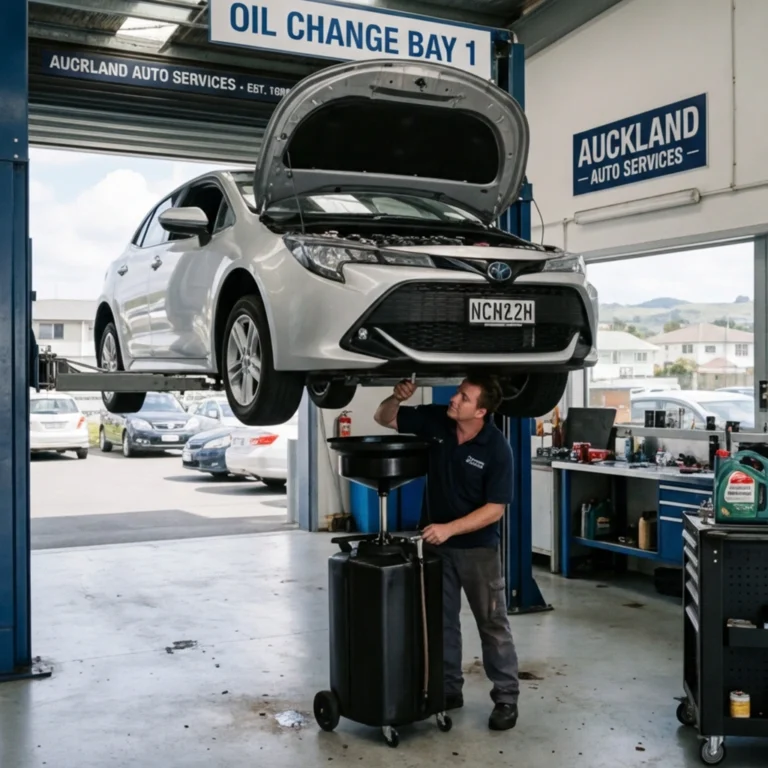
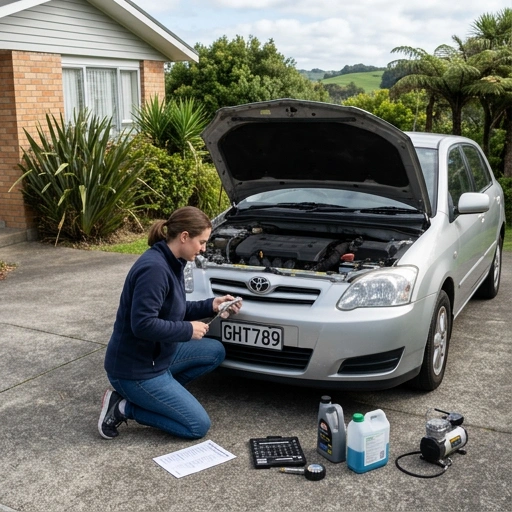
- Repair and Maintenance: Costs like oil changes, tyre rotations, minor repairs, and routine servicing are classified as revenue expenses. These are typically 100% deductible in the year they are incurred.
- Capital Improvements: Major upgrades or modifications that extend the life or value of the van—such as installing a new engine or significant bodywork—are capital expenditures. These costs must be depreciated over several years according to IRD depreciation rates.
Understanding this difference helps you claim correctly and avoid issues with IRD. For example, an oil change or replacing brake pads is fully deductible, but a new transmission costs must be capitalised and claimed gradually.
Depreciation and Low-Value Asset Write-off
The IRD allows businesses to claim depreciation on vehicles used for business purposes. The depreciation spreads the cost of capital assets over their useful life rather than deducting the full cost immediately.
For smaller purchases, New Zealand’s Low-Value Asset Write-off lets you deduct assets costing less than a set threshold (usually $5,000) in the year of purchase, simplifying your tax return.
- Depreciation: Typically applies to your work van itself and major capital improvements.
- Low-Value Asset Write-off: Useful for equipment or smaller vehicle parts under the threshold.
This method helps you manage tax deductions more effectively, especially in the tax year 2025/26, so keep accurate records of purchase dates and costs.
Vehicle Expenses and Claiming Methods
Claiming vehicle expenses correctly is essential. The IRD offers two common methods for claiming expenses on vehicles used for business:
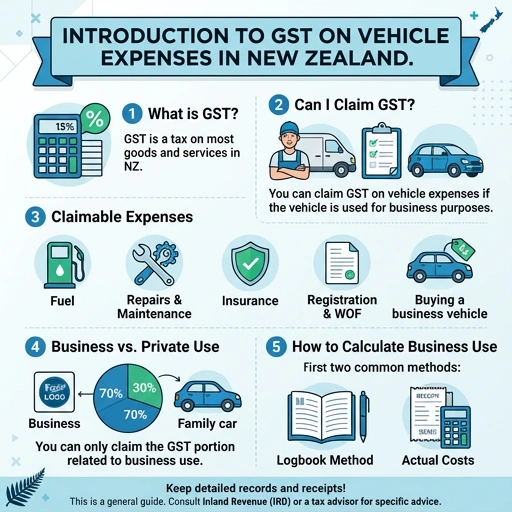
- Logbook Method: Keep a logbook for at least 90 days to track business versus private use. This percentage applies to your total vehicle expenses.
- Kilometre Rate Method: Claim a fixed rate per business kilometre travelled. This is simpler but requires accurate distance records.
Both methods have pros and cons, depending on your business size and vehicle use. For example, if your van is used mostly for business, the logbook method may yield higher deductions.

GST and Tax Considerations for Small Businesses
If your small business is GST-registered, you can usually claim back GST on vehicle operating expenses related to your work van. Keep all tax invoices and receipts to support your claim.
Be aware of provisional tax and terminal tax deadlines to avoid penalties. Using the IRD tax rate calculator can help you estimate your tax payments for the tax year 2025/26.
We recommend consulting the official IRD website regularly to stay updated on rules affecting small business tax deductions, including investment boosts and changes to tax brackets.
Practical Checklist for Claiming Van Expenses
- Keep detailed records: Save all receipts, invoices, and logbooks related to your van.
- Separate repair from capital costs: Know which expenses are for maintenance versus improvements.
- Choose your claiming method: Decide between logbook or kilometre rate method based on your vehicle use.
- Track GST: Keep GST documentation if registered to claim input tax credits.
- Consult IRD resources: Use tools like the IRD tax rate calculator for accurate provisional tax estimates.
- Review depreciation rules: Understand how to depreciate your van and claim low-value asset write-offs correctly.
- File on time: Ensure your tax returns and payments meet IRD deadlines to avoid penalties.

Related reading
For more detailed information on GST and claiming vehicle expenses in New Zealand, check out GST on Vehicle Expenses NZ: Claim Back GST on Your Tradie Van in 2026.
FAQ
Can I claim 100% of my work van’s oil changes as a tax deduction?
Yes, routine maintenance costs like oil changes are typically 100% deductible as revenue expenses according to Inland Revenue rules.
What is the difference between a repair and a capital improvement for tax purposes?
Repairs and maintenance keep your van running and are fully deductible in the year incurred, while capital improvements increase the van’s value or life and must be depreciated over time.
How do I decide between the logbook and kilometre rate methods for claiming vehicle expenses?
The logbook method is best if your van is used mostly for business, while the kilometre rate method suits businesses with simpler tracking needs. Both require accurate records.
Can I claim GST on my van expenses?
If your business is GST-registered, you can claim back GST on vehicle expenses related to your work activities. Keep all GST invoices for your records.
What records should I keep for IRD to support my vehicle expense claims?
Keep receipts, invoices, logbooks, and any documentation showing business use and expense details to support your claims in case of an IRD review.
How does depreciation affect my van tax deductions?
Depreciation allows you to spread the cost of your van or major improvements over several years, reducing taxable income each year rather than deducting the full cost immediately.
When is provisional tax due for small businesses?
Provisional tax is usually paid in installments during the tax year. Use the IRD tax rate calculator to estimate your payments and avoid penalties.
Get Expert Help with Your Business Vehicle Expenses
We are a local Kiwi-owned rental car company based in Māngere, Auckland. Whether you’re running a small business or are a sole trader, having reliable vehicles and understanding your tax deductions can make a big difference.
At Oil Pro, we provide affordable, well-maintained vehicles across New Zealand through trusted partners. We are experienced travellers ourselves — we know how important a good van is for a great trip and smooth business operations.
Book your rental van with us today and enjoy the flexibility and support your business needs.