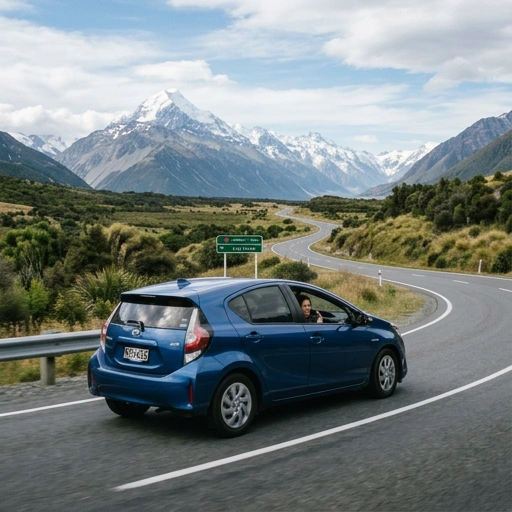
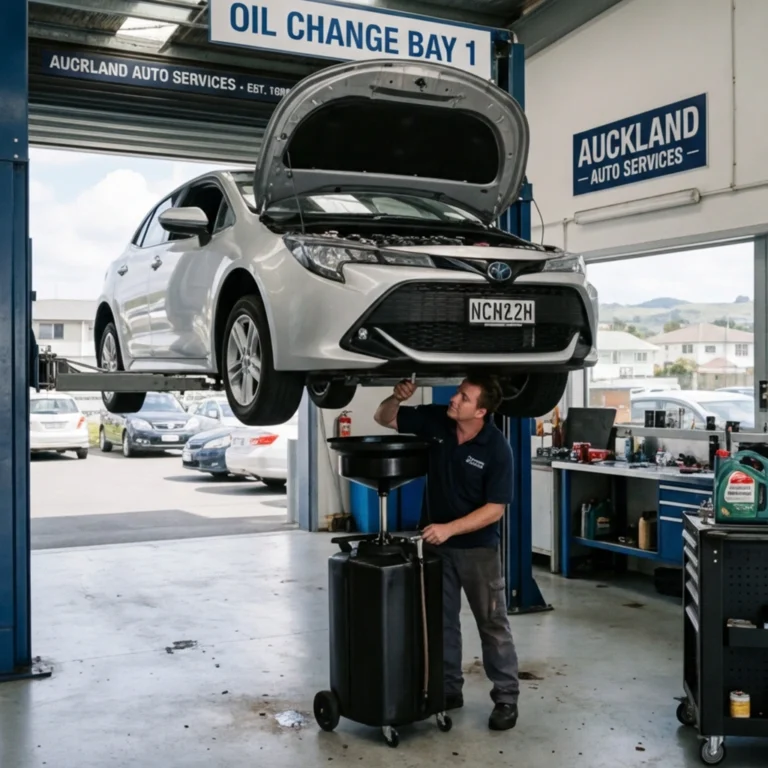
- Road user charges (RUC) are essential for light diesel vehicles and other light vehicles in New Zealand.
- Transitioning from manual to electronic RUC (eRUC) systems improves efficiency and compliance for Auckland fleet owners.
- The NZ Transport Agency manages RUC under the Road User Charges Act 1977 and 2012, with evolving regulations.
- Mobile servicing and electronic options reduce downtime and simplify RUC management for high-utilisation fleets.
- Understanding how eRUC works and its benefits helps fleet operators optimise costs and meet legal requirements in Aotearoa.
Introduction to Road User Charges in New Zealand
Road user charges (RUC) are a form of taxation in New Zealand applied primarily to vehicles that do not pay fuel excise tax, such as light diesel vehicles and other light vehicles not using petrol. For Auckland fleet owners, understanding RUC is crucial to managing operating costs and ensuring legal compliance under New Zealand law.
We are a local Kiwi-owned company based in Māngere, Auckland, and we understand how important it is for fleet owners to keep their vehicles moving efficiently. This guide explains the transition from manual RUC to electronic RUC (eRUC), highlighting how it benefits busy fleet operations in Auckland and across Aotearoa.

Understanding Road User Charges and Legal Framework
Road user charges are governed primarily by the Road User Charges Act 1977 and updated under the Road User Charges Act 2012. These laws require light diesel vehicles and other vehicles not subject to fuel tax (such as petrol vehicles) to pay RUC based on distance travelled.
Unlike petrol vehicles, which pay fuel excise tax included in the petrol price, light diesel vehicles must pay RUC because diesel is taxed differently. This system helps ensure that all road users contribute fairly to infrastructure maintenance.
- Vehicles over 3.5 tonnes have specific RUC requirements, but light vehicles, including most Auckland fleet cars and vans, also fall under RUC rules if they use diesel.
- RUC rates vary depending on vehicle weight, axle configuration, and fuel type, including diesel, compressed natural gas (CNG), and liquefied petroleum gas (LPG).
- Hubodometers are often used for accurate distance tracking on some vehicles.
The NZ Transport Agency (NZTA) administers RUC collection and enforcement, providing options for both manual and electronic systems.
Manual vs Electronic RUC (eRUC)
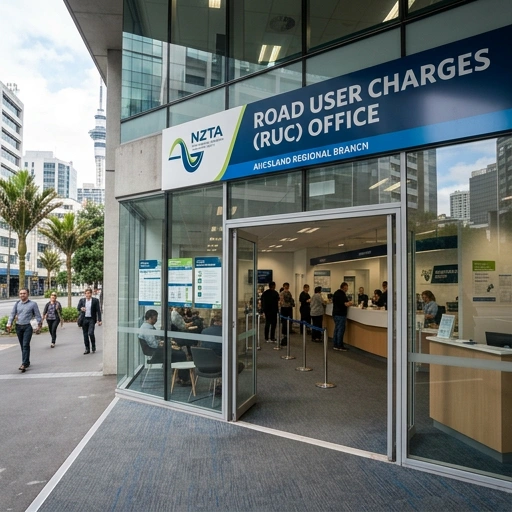
Traditionally, fleet owners managed RUC manually by purchasing RUC licences at post shops, NZTA offices, or online, and displaying physical licences in vehicles. This manual system can be time-consuming and prone to errors, especially for large Auckland fleets with high vehicle utilisation.
The electronic Road User Charges (eRUC) system simplifies this by allowing RUC to be managed digitally. This technology enables automatic recording and payment of charges, reducing administrative overhead and increasing compliance.
- eRUC benefits for fleet owners: easier tracking of kilometres travelled, reduced paperwork, and decreased risk of penalties.
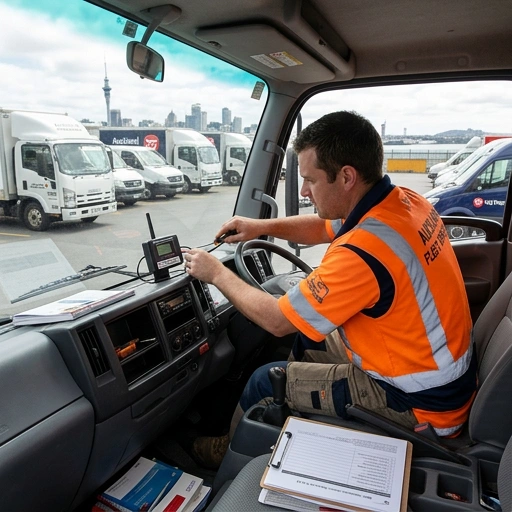
- Mobile servicing: Some providers offer mobile RUC servicing, which means less downtime for vehicles and more efficient fleet operations.
- Integration: eRUC systems can integrate with fleet telematics, improving overall fleet management.
How to Transition to eRUC for Auckland Fleets
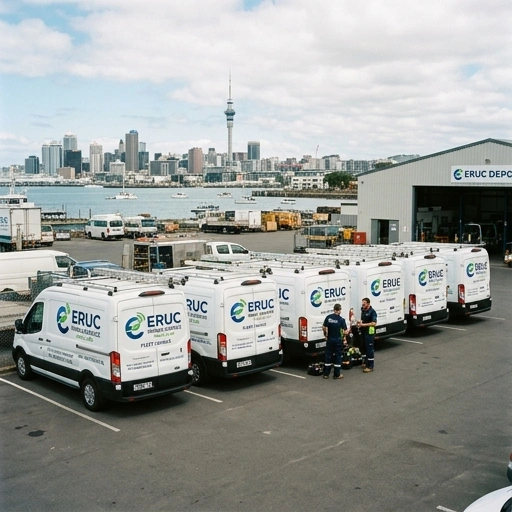
Transitioning from manual to electronic RUC is a straightforward process that can deliver significant benefits for fleet owners in Auckland.
- Assess your fleet: Identify which vehicles require RUC payments and whether they currently use manual or electronic systems.
- Register for eRUC: Contact NZ Transport Agency or approved providers to set up your fleet for electronic RUC payments.
- Install required devices: Equip vehicles with electronic devices compatible with eRUC, such as GPS-based loggers or hubodometers where necessary.
- Train your staff: Ensure drivers and fleet managers understand how to use eRUC systems and comply with reporting requirements.
- Implement mobile servicing: Consider mobile RUC servicing providers to minimise vehicle downtime and streamline compliance.
- Monitor and optimise: Use eRUC data to track vehicle usage, identify cost-saving opportunities and maintain compliance.
Costs and Benefits of eRUC for Light Vehicles
Switching to eRUC involves some initial investment but offers several financial and operational advantages for fleet owners.
| Aspect | Manual RUC | Electronic RUC (eRUC) |
|---|---|---|
| Administrative effort | High, manual licence purchase and display | Low, automated tracking and payments |
| Compliance risk | Higher risk of errors and penalties | Lower risk due to real-time tracking |
| Fleet downtime | Possible delays for licence management | Minimised with mobile servicing options |
| Data insights | Limited | Detailed usage reports for optimisation |
| Initial cost | Minimal | Device purchase and installation costs |
For Auckland operators managing high-utilisation fleets, the benefits of eRUC often outweigh initial costs. It supports better compliance with the Road User Charges Act 1977 and the newer 2012 amendments.
Related reading
For more information on fuel-related charges and how to reduce running costs for hybrid and petrol vehicles, check out RUC Fees for Hybrids NZ: Lower Your Toyota Aqua Running Costs in 2026.
FAQ
What vehicles in New Zealand are required to pay Road User Charges?
Vehicles that do not pay fuel excise tax, primarily diesel-powered vehicles including light diesel vehicles and those using compressed natural gas or liquefied petroleum gas, are required to pay RUC under New Zealand law.
What is the difference between manual RUC and electronic RUC (eRUC)?
Manual RUC requires purchasing and displaying physical licences, while eRUC uses electronic devices to automatically record distance and charges, making compliance easier and more efficient.
How can Auckland fleet owners transition to eRUC?
Fleet owners need to register with the NZ Transport Agency for eRUC, install compatible electronic devices in vehicles, and train staff on the system. Mobile servicing providers can assist with installation and maintenance.
Are there cost benefits to using eRUC?
Yes, eRUC reduces administrative costs, lowers compliance risks, and provides detailed data for managing fleet efficiency, which can save money over time.
Where can I find official RUC information?
The NZ Transport Agency website offers official and up-to-date information on RUC requirements, rates, and processes.
Contact Oil Pro for RUC Support in Auckland
We are Oil Pro, a local Kiwi-owned company based in Māngere, Auckland. We provide reliable, affordable support for fleet owners managing road user charges, including electronic RUC systems and mobile servicing.
We are experienced travellers ourselves — we know how important good vehicle compliance and smooth operations are for your fleet’s success. Book your RUC servicing or eRUC setup with us today to keep your Auckland fleet running efficiently.