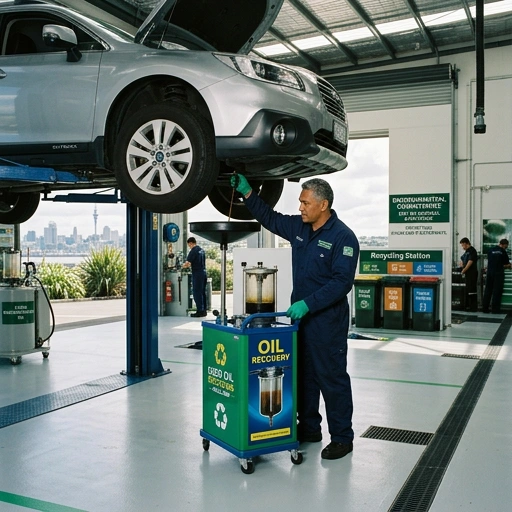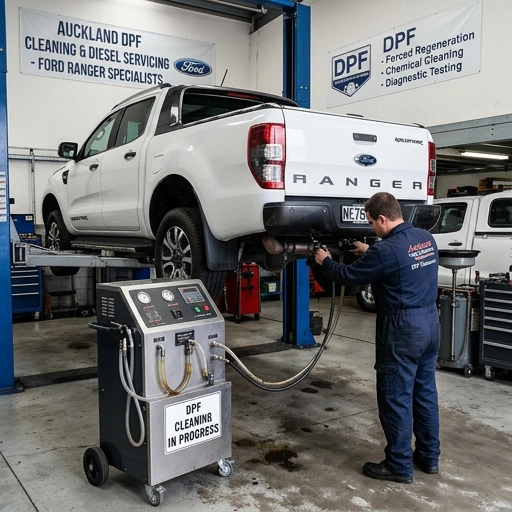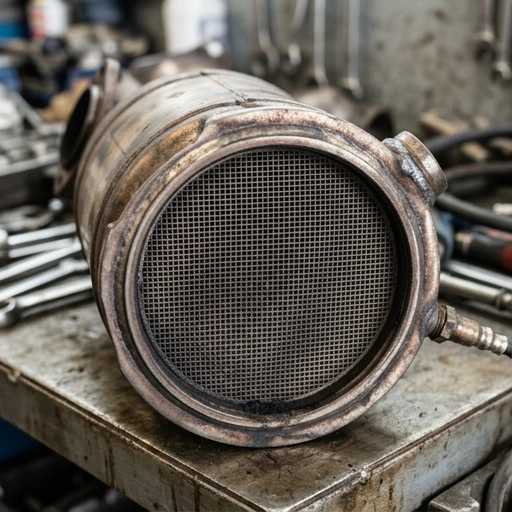
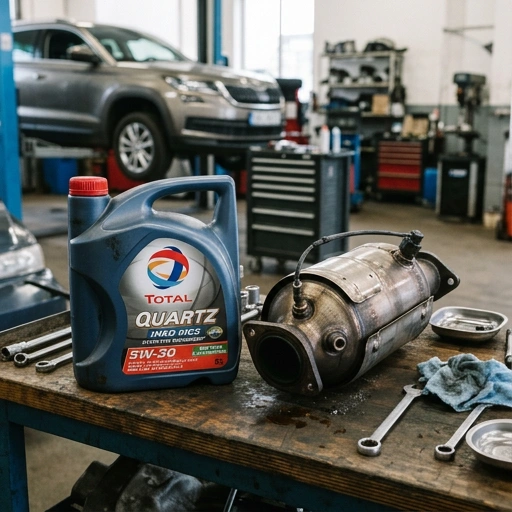
- Choosing the right low SAPS oil helps keep your Diesel Particulate Filter (DPF) clean and functioning properly.
- DPF issues are common in diesel vehicles; using recommended oils can reduce soot build-up and costly repairs.
- Understanding active and passive regeneration helps maintain your DPF’s health on New Zealand roads.
- Regular DPF cleaning and ECU reprogramming can extend filter life and improve vehicle efficiency.
- We are a local Kiwi-owned company based in Auckland, offering expert advice and support for your diesel vehicle needs.
Introduction to DPF and Oil Choice
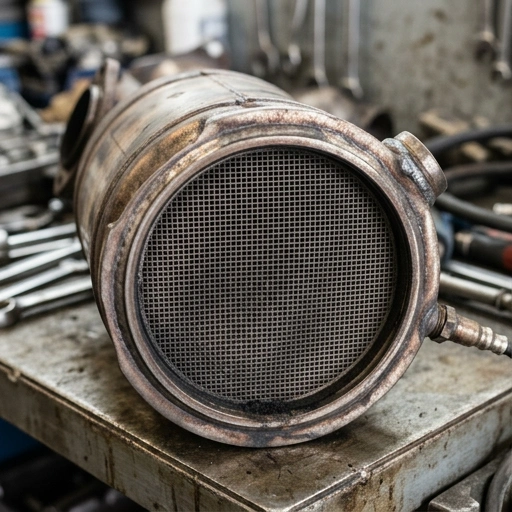
The Diesel Particulate Filter (DPF) is a crucial component in modern diesel vehicles, designed to trap harmful soot particles and reduce emissions. In New Zealand, with its growing diesel vehicle fleet, maintaining a clean DPF is essential for performance and compliance with emission standards.
We are Oil Pro, a local Kiwi-owned company based in Auckland, passionate about helping you keep your diesel engine running smoothly. This guide explains how your choice of oil, particularly low SAPS (Sulfated Ash, Phosphorus, Sulfur) oils, directly impacts your DPF’s health and longevity.
You’ll learn about the role of oil in soot accumulation, regeneration processes, and practical steps to avoid common DPF problems.
Why Oil Choice Matters for DPF Health
Diesel engines produce soot as a by-product of combustion, which the DPF captures to prevent pollution. However, oil additives containing high levels of sulfated ash, phosphorus, and sulfur (SAPS) can increase soot build-up inside the DPF, risking blockages and expensive repairs.
Low SAPS oils are formulated to reduce these deposits, helping keep the DPF cleaner for longer. This is especially important in New Zealand’s diverse driving conditions, from urban Auckland traffic to long highway drives in Invercargill and beyond.
- Reduced soot accumulation: Low SAPS oils produce fewer ash deposits that clog the filter.
- Improved regeneration: Clean filters regenerate more efficiently, avoiding forced cleaning or replacement.
- Extended DPF lifespan: Proper oil choice delays the need for costly DPF cleaning or removal services.
Understanding DPF Regeneration Processes
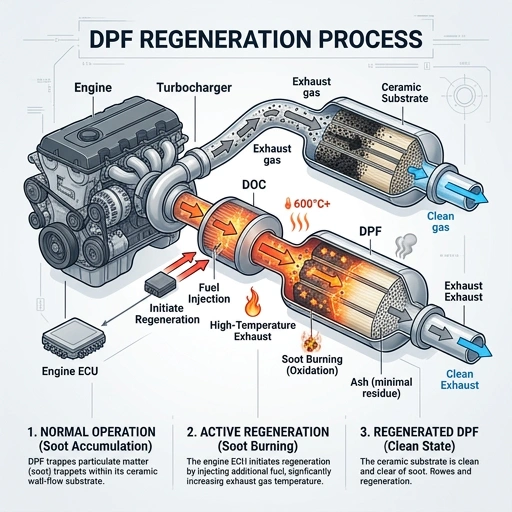
The DPF needs periodic cleaning to burn off trapped soot, called regeneration. There are two primary types:
- Passive Regeneration: Occurs automatically during normal driving when exhaust temperatures reach about 350°C, typically on long highway trips common in regions like Northern Queensland or South Australia.
- Active Regeneration: Initiated by the vehicle’s ECU when soot levels reach a threshold, involving injecting extra fuel to raise exhaust temperature and burn soot.
Proper oil choice supports effective regeneration by limiting ash deposits that do not burn off easily. ECU reprogramming can also optimize regeneration cycles, especially for vehicles regularly used in city traffic or short trips around West Auckland and Henderson.
Practical Tips for Maintaining Your DPF
Keeping your DPF healthy requires a combination of good driving habits, proper maintenance, and the right consumables.
- Use recommended low SAPS oils: Choose oils designed for diesel engines with DPFs to reduce harmful ash deposits.
- Drive regularly at higher speeds: Occasional highway driving helps passive regeneration by reaching required exhaust temperatures.
- Schedule regular DPF cleaning: Professional DPF cleaning services, such as DPD Catalyst Cleaning or SCR Cleaning, can restore filter efficiency.
- Consider ECU Reprogramming: Optimizing your vehicle’s ECU can improve regeneration timing and reduce soot build-up, especially in urban areas like Auckland.
- Monitor warning lights: Address DPF warning indicators promptly with automotive specialists to avoid costly damage.
| Maintenance Step | Benefit | Recommended Frequency |
|---|---|---|
| Use Low SAPS Oil | Reduce ash deposits, extend DPF life | At every oil change |
| Active/Passive Regeneration | Burn off soot, maintain filter efficiency | During regular driving |
| DPF Cleaning Services | Restore filter capacity, prevent blockages | Every 80,000–120,000 km or as needed |
| ECU Reprogramming | Optimize regeneration cycles | As recommended by specialists |

Related reading
For more insights on preventing DPF issues and engine maintenance, check out our detailed guide: Ford Ranger Maintenance Auckland | Prevent DPF Clogs & Engine Issues.
FAQ
What is a Diesel Particulate Filter (DPF)?
A DPF is a device installed in diesel vehicles to capture and remove soot particles from exhaust gases, reducing harmful emissions.
Why should I use low SAPS oil in my diesel vehicle?
Low SAPS oils contain fewer additives that can cause ash deposits inside the DPF, helping maintain filter cleanliness and prolonging its lifespan.
How often does a DPF need cleaning or servicing in New Zealand?
Typically, DPF cleaning is recommended every 80,000 to 120,000 km, but it depends on driving habits and vehicle conditions. Regular servicing by Auckland Diesel & Automotive Specialists can help determine the right timing.
What are active and passive regeneration?
Passive regeneration occurs automatically during long drives when exhaust temperatures are high enough to burn off soot. Active regeneration is a controlled process initiated by the vehicle’s ECU to clean the DPF when needed.
Can DPF Removal be a solution for filter problems?
DPF removal is generally not recommended and is illegal in New Zealand due to emission regulations. Instead, proper maintenance and cleaning should be used to manage DPF health.
Does ECU reprogramming help with DPF issues?
ECU reprogramming can optimize regeneration cycles and improve DPF function, especially in vehicles used mainly for short trips or city driving.
Where can I get professional DPF cleaning services in Auckland?
Several specialists in West Auckland and Henderson offer DPF cleaning, including DPD Catalyst Cleaning and SCR Cleaning services. We recommend consulting trusted local providers for reliable service.
Get Expert Advice and Support for Your Diesel Vehicle
We are Oil Pro, a local Kiwi-owned company based in Auckland, dedicated to helping you maintain your diesel vehicle’s performance and comply with New Zealand emission standards. With our deep knowledge of DPF maintenance, oil selection, and regeneration processes, we provide reliable advice tailored for New Zealand drivers.
Whether you’re facing DPF issues or want to avoid costly repairs, contact us today at 022 033 1186 for expert guidance. We understand the importance of a good car for a great trip, and our support ensures your diesel vehicle stays clean, efficient, and ready for New Zealand roads.
Book your consultation or oil supply with Oil Pro now and experience personalised service from experienced travelers who know what matters.