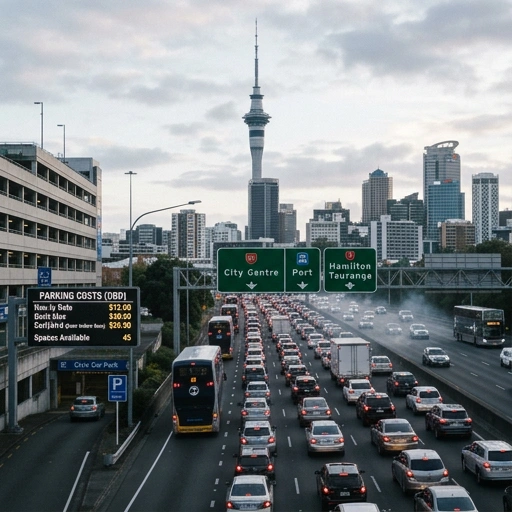
- Traffic congestion in Auckland costs local businesses around $2.6 billion annually, impacting productivity and profitability.
- Auckland’s rapid population growth and urban sprawl contribute heavily to increasing commute times and traffic delays.
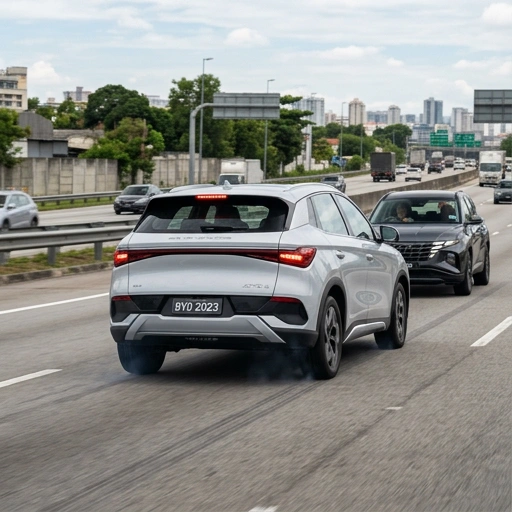
- Major motorways like State Highway 1 and State Highway 16 experience peak congestion, especially around Auckland CBD.
- Innovative traffic management and congestion pricing, inspired by cities like Stockholm and Singapore, could help reduce jams.
- Investing in public transport and smarter urban form is essential for easing Auckland’s traffic gridlock.
Introduction to Auckland Traffic Congestion
Auckland, New Zealand’s largest city, is facing growing challenges with traffic congestion that significantly affect daily life and business operations. According to the 2026 “Cost of Congestion” report, traffic delays in Auckland cost businesses roughly $2.6 billion annually. Every minute spent stuck in traffic is a minute that could have been spent on billable jobs, directly impacting profitability and economic growth.
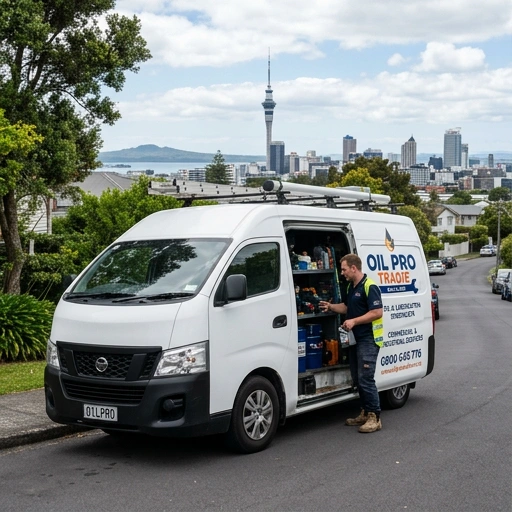
We are Oil Pro, a local Kiwi-owned company passionate about helping people navigate Auckland’s roads more efficiently. In this guide, we explore the factors driving congestion, the impact on businesses and commuters, and potential solutions being considered by Auckland Council and transport experts.
Causes of Traffic Congestion in Auckland
Auckland’s traffic woes stem from several intertwined factors. Rapid population growth in Greater Auckland has increased the number of vehicles on the road, while urban sprawl stretches daily commute distances.
The motorway network, notably State Highway 1 and State Highway 16, carries heavy freight and commuter traffic funneling into the Auckland CBD. Peak periods see significant slowdowns, which TomTom Traffic Index data confirms as some of the worst in New Zealand.
- Population Growth: Auckland’s expanding population intensifies demand on roads and public transport.
- Urban Form: Low-density suburbs increase reliance on private cars.
- Freight Movement: Busy freight routes add heavy vehicles to commuter lanes, slowing traffic.
- Limited Public Transport Options: Despite improvements, public transport coverage and frequency still lag demand.
Economic Impact of Congestion on Businesses
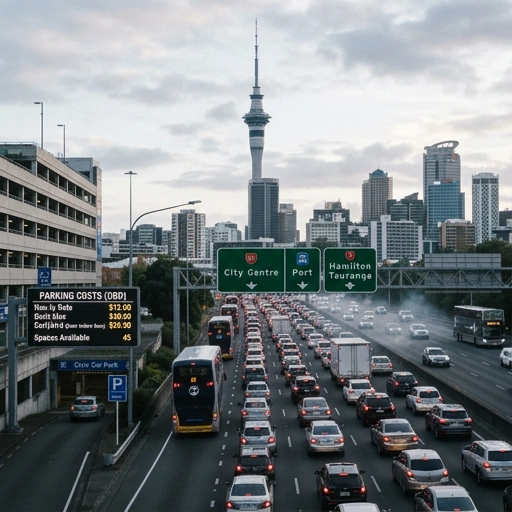
The “Cost of Congestion” report highlights how traffic jams act like a hidden tax on Auckland’s economy. For businesses, time spent in traffic translates directly to lost billable hours, delayed deliveries, and increased operational costs.
Key impacts include:
- Reduced Productivity: Employees and contractors spend more time commuting than working.
- Increased Freight Costs: Slower deliveries raise transport expenses and inventory delays.
- Customer Access: Congestion discourages clients from visiting certain areas, especially Auckland CBD.
| Impact Area | Details |
|---|---|
| Lost Work Hours | Estimated millions of hours lost annually due to slow traffic |
| Freight Delays | Slower freight movement on SH1 and SH16 routes |
| Business Costs | Increased fuel and labour costs from longer trips |
Solutions and Traffic Management Approaches
To tackle congestion, Auckland Council and transport agencies are exploring several strategies, learning from successful examples worldwide.
Congestion pricing, as seen in cities like Stockholm, London, and Singapore, charges drivers for entering busy areas during peak times. This method encourages shifts to public transport and off-peak travel.
Other approaches include:
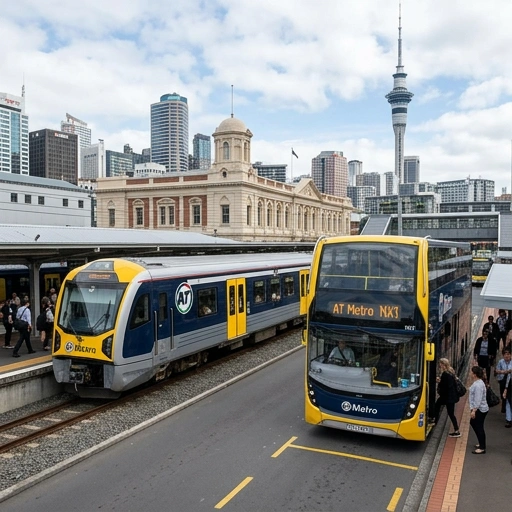
- Improved Public Transport: Expanding bus, train, and ferry services to reduce car dependence.
- Urban Planning: Encouraging higher-density development and mixed-use neighborhoods to shorten trips.
- Time-of-Use Charging: Incentivizing freight and commercial vehicles to travel outside peak hours.
- Road Infrastructure Upgrades: Targeted improvements on State Highway 1 and 16 to ease bottlenecks.
Practical Tips for Navigating Auckland Traffic
Whether you’re a commuter or business owner, there are ways to reduce the impact of traffic congestion on your daily routine.
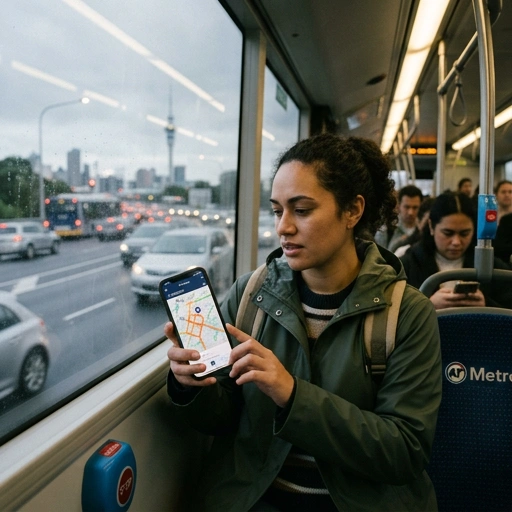
- Plan Your Trips: Use apps like Google Maps or Waze to check real-time traffic and choose less congested routes.
- Travel Off-Peak: Shift your commute times where possible to avoid peak congestion periods.
- Use Public Transport: Consider buses, trains, or ferries for parts of your journey to bypass jams.
- Carpool or Ride-Share: Sharing rides reduces the number of vehicles on the road.
- Stay Informed: Follow Auckland Council updates on roadworks and traffic management plans.
FAQ
Why is traffic congestion so bad in Auckland?
Auckland’s congestion is mainly due to rapid population growth, urban sprawl, limited public transport coverage, and heavy freight traffic on key motorways like State Highway 1 and 16.
What is congestion pricing and could it work in Auckland?
Congestion pricing charges drivers for entering busy areas during peak times to reduce traffic volumes. Cities like Stockholm and Singapore have successfully implemented this, and Auckland Council is considering similar schemes to ease jams.
How does traffic congestion affect businesses financially?
Congestion costs businesses through lost productivity, delayed deliveries, and higher transport expenses. The 2026 report estimates a $2.6 billion annual cost to Auckland’s economy.
Are there improvements planned for Auckland’s public transport?
Yes, Auckland Council is investing in expanding and upgrading public transport options, including trains, buses, and ferries, to offer viable alternatives to private car travel.
What can commuters do to avoid peak traffic?
Commuters can plan trips outside peak times, use real-time traffic apps, carpool, or shift to public transport to reduce time spent in congestion.
Contact Oil Pro for Traffic Management Insights
We are Oil Pro, a local Kiwi-owned company dedicated to helping Aucklanders navigate traffic challenges. With our deep understanding of Auckland’s transport landscape, we provide practical advice and solutions to save you time and money on the road.
Whether you’re a business owner feeling the $2.6 billion tax of congestion or a commuter seeking smarter travel options, we know how important a good plan and reliable information are for your success.
Contact us today at 0220331186 to discuss how we can help you manage the impact of Auckland traffic congestion more effectively.



1 Comment