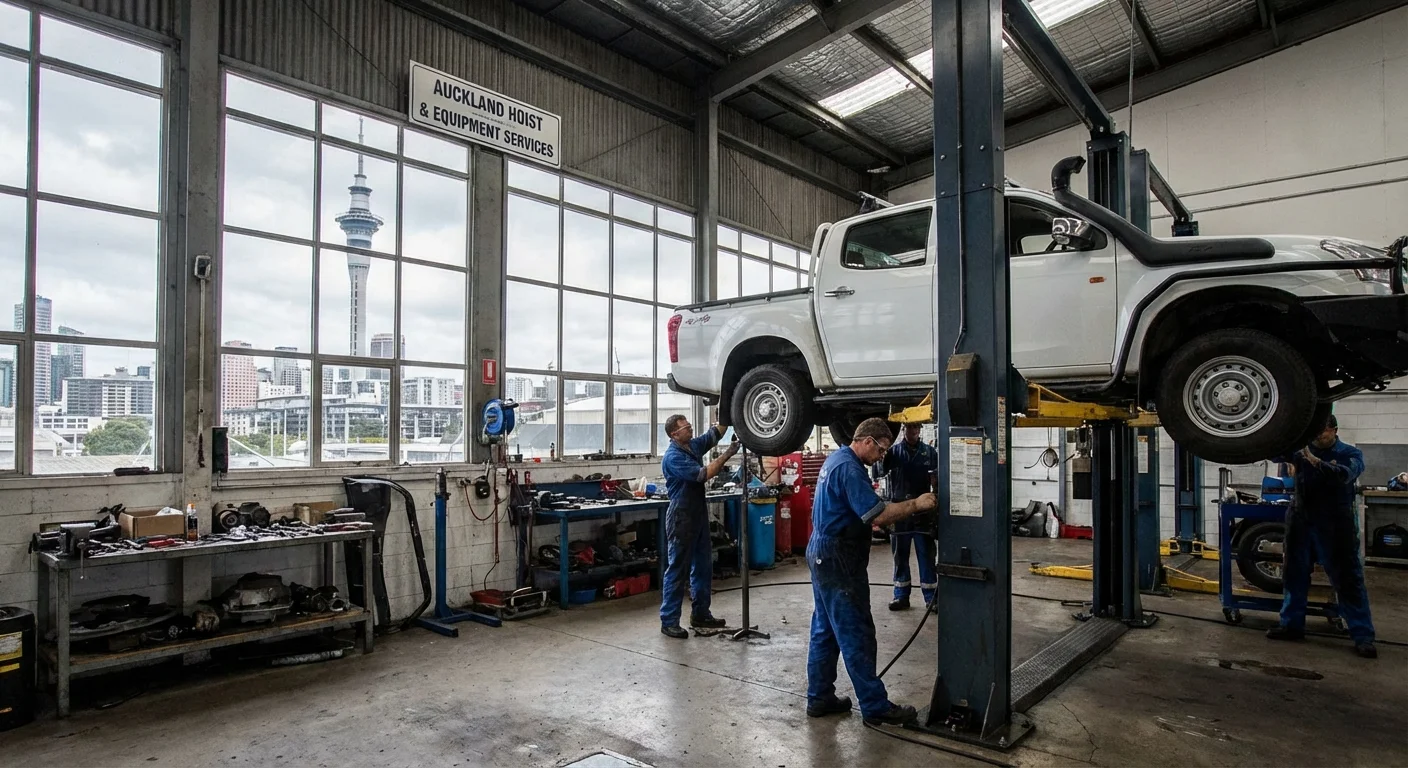
- Mechanic labor rates in Auckland have soared from $90/hr in 2022 to $140/hr in 2026, impacting small workshops heavily.
- High overhead costs like rent, GST, ACC levies, and equipment such as hoists drive up traditional workshop rates.
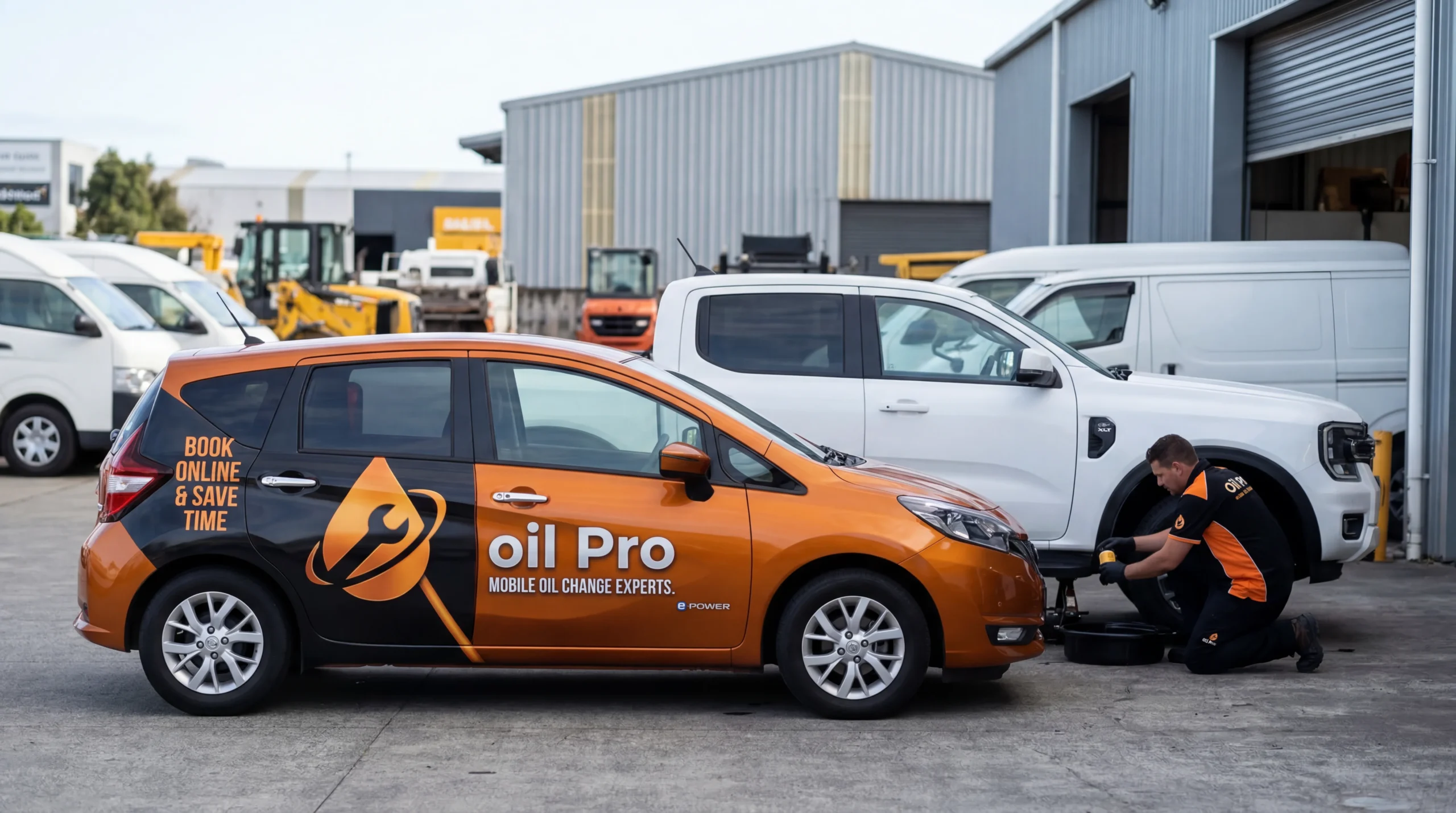
- Mobile mechanics like Oil Pro offer cost-efficient alternatives by reducing overhead and using streamlined workshop management software.
- Tiered pricing, menu pricing, and flat rate models are being adopted by some Auckland workshops to remain competitive.
- Understanding mechanic labour rate formulas and regional differences (e.g., Wellington, Christchurch, Hamilton/Tauranga) helps customers make informed choices.
Introduction to Auckland Mechanic Labour Rates
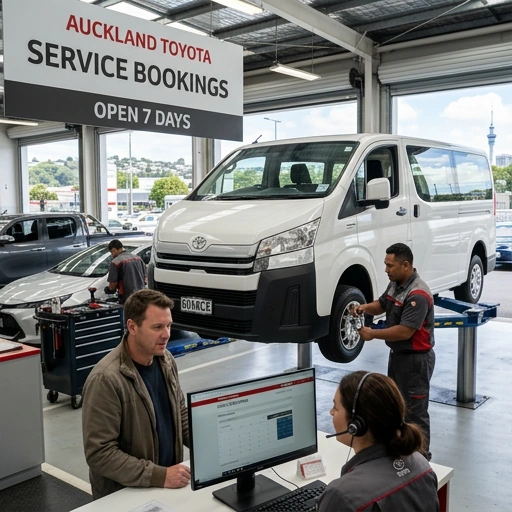
In recent years, mechanic labour rates in Auckland have increased sharply, putting pressure on small automotive businesses. The average hourly rate has jumped from about $90 in 2022 to an estimated $140 in 2026. This surge is mainly driven by rising workshop overheads, including rent, GST, ACC levies, and costly equipment like hoists.
We are a small Kiwi-owned company based in Māngere, Auckland, and we understand how crucial affordable and transparent mechanic labour rates are for both workshops and customers. This article explores why Auckland’s labour rates have climbed so steeply, compares traditional workshops with mobile mechanics like Oil Pro, and offers practical insights into how pricing works across New Zealand.
Factors Driving Up Mechanic Labour Rates in Auckland
Several key factors contribute to the rising mechanic labour costs in Auckland, many of which relate to the high fixed costs faced by workshop owners.
- Workshop overheads: High rent and rates in Auckland, especially in industrial areas like Highbrook Automotive, significantly increase expenses.
- GST and ACC levies: The Goods and Services Tax and Accident Compensation Corporation levies add to the cost base that workshops must cover.
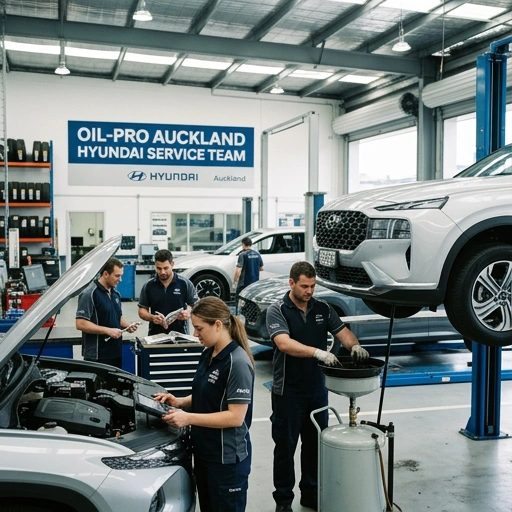
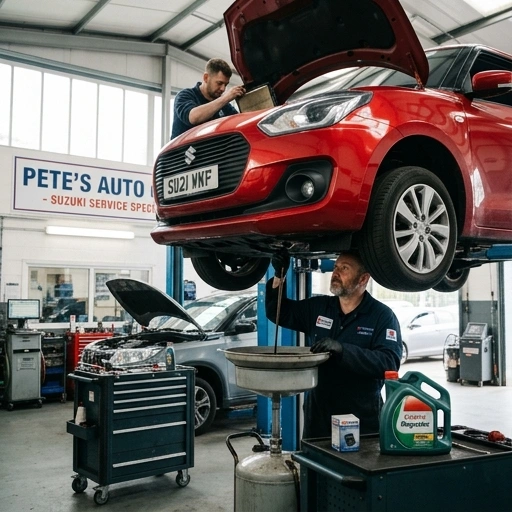
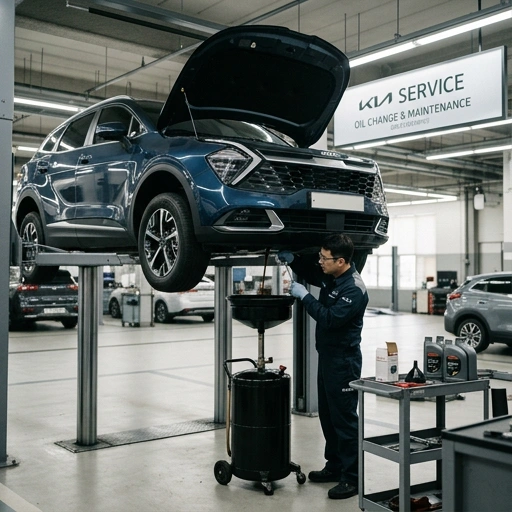
- Equipment investment: Essential tools such as hoists and advanced diagnostic machines require capital investment and ongoing maintenance.
- Labour costs: Skilled mechanics’ wages have risen, as detailed in the Mechanic Wages & Salary Guide NZ, reflecting the demand for experienced staff.
- Workshop management software: Adoption of digital tools like Workshop 7 improves efficiency but also adds subscription costs to the budget.
These factors combine to push the hourly labour rate upward, making it tough for small businesses to maintain competitive pricing while covering costs.
Comparison of Traditional Workshops vs Mobile Mechanics
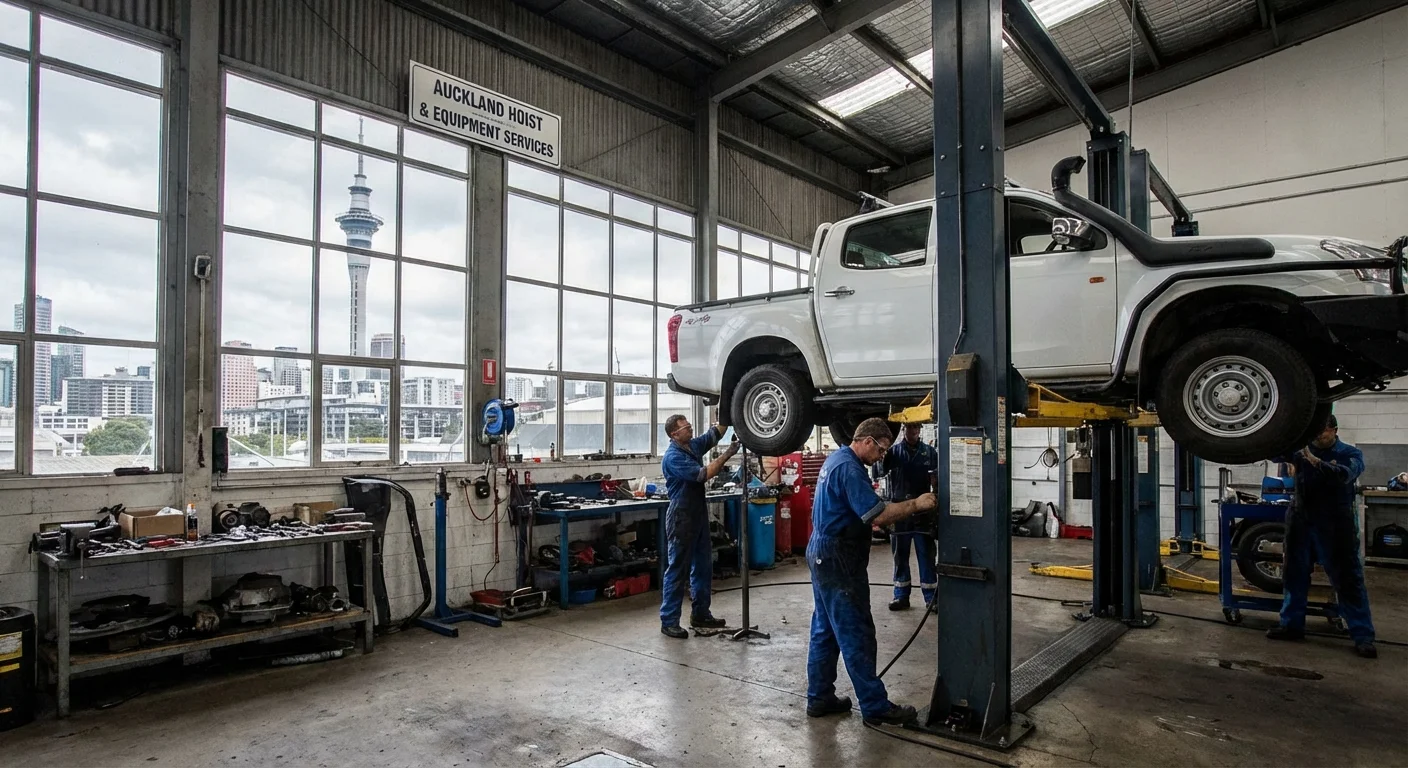
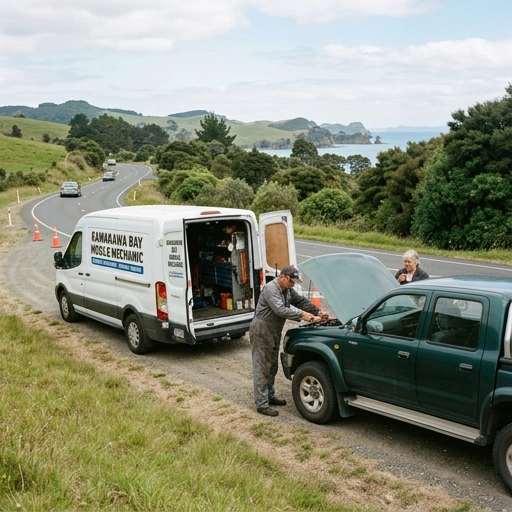
The traditional workshop model faces large fixed costs, which are passed on to customers through higher hourly rates. In contrast, mobile mechanics like Oil Pro operate with lower overheads and offer more flexible pricing.
| Aspect | Traditional Workshops | Mobile Mechanics (e.g., Oil Pro) |
|---|---|---|
| Overhead costs | High (rent, utilities, equipment) | Low (no fixed premises) |
| Pricing model | Hourly rate, flat rate, tiered pricing | Menu pricing, flat rate |
| Booking & Management | Workshop management software like Workshop 7 | Streamlined mobile booking systems |
| Flexibility | Limited to workshop hours and location | Flexible, onsite at customer location |
| Labour rate | Up to $140/hr in Auckland | Typically lower due to reduced overhead |
Mobile mechanics reduce costs by avoiding expenses like hoist installation and rent, enabling them to offer competitive rates without compromising service quality. This is appealing to customers seeking convenience and value in Auckland and across regions like Wellington and Christchurch.
Understanding Mechanic Labour Rate Formulas and Pricing Models
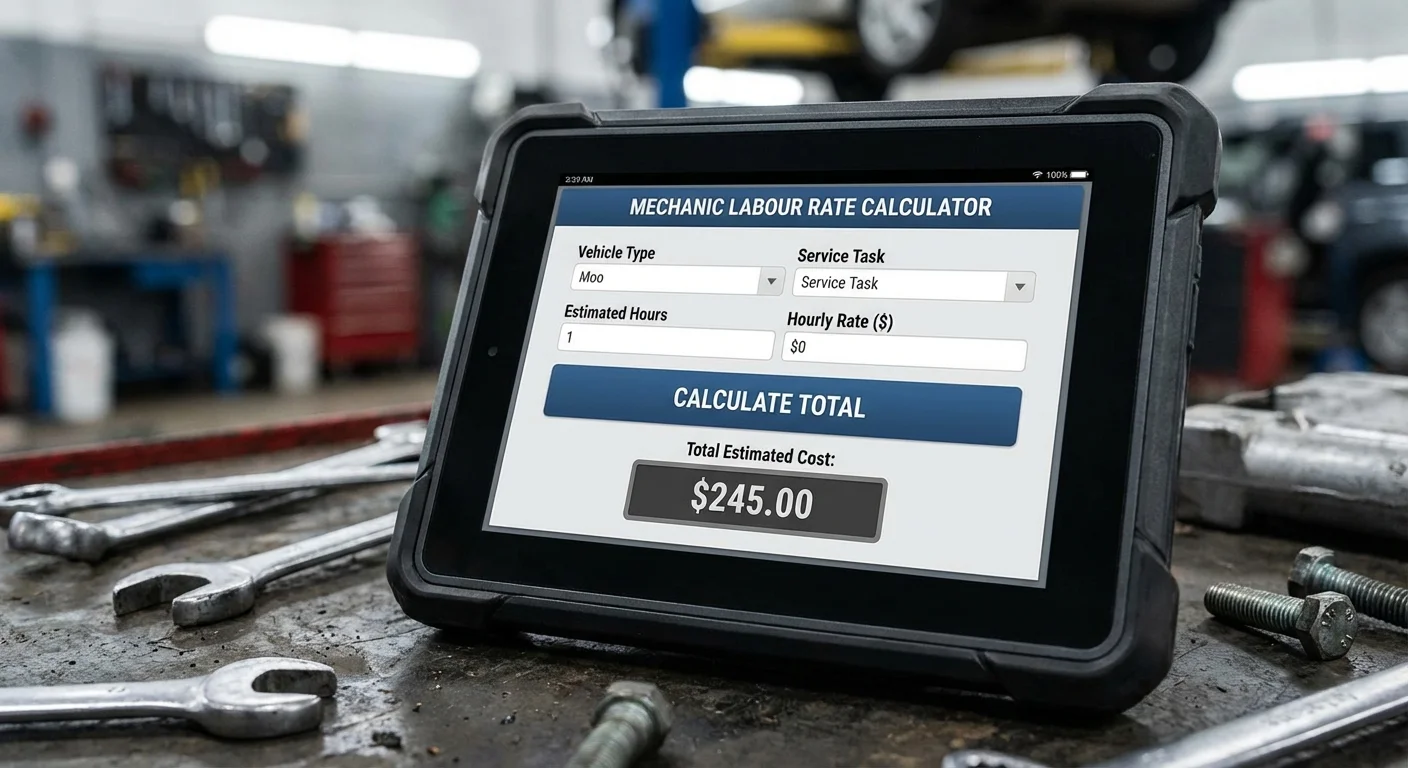
Mechanic labour rates are often calculated using formulas that factor in wages, overheads, profit margins, and expected billable hours. Workshops employ different pricing models to balance profitability and customer appeal.
- Hourly rate: Charging per hour worked, common in many Auckland workshops.
- Flat rate: Fixed price for specific jobs based on estimated labour time.
- Menu pricing: Predefined price list for common services, improving transparency.
- Tiered pricing: Different rates based on vehicle type, complexity, or customer category.
Understanding these models helps customers anticipate costs and choose the right service. Tools like a Labour Rate Calculator and resources such as the Parts Markup Guide also assist workshops in setting fair and competitive prices.
Regional Differences in Mechanic Labour Rates Across New Zealand
Labour rates vary significantly across New Zealand’s regions due to differing overhead costs, demand, and local economies.
- Auckland: Highest rates, reaching $140/hr in 2026 due to urban costs.
- Wellington and Christchurch: Moderate rates, typically 10-20% lower than Auckland.
- Hamilton/Tauranga and Regional/Rural areas: Lower rates reflecting reduced overhead and competition.
These differences influence customer decisions and workshop strategies. For example, Auckland workshops like Autoland North Shore and Shore Automotive face higher fixed costs than counterparts in rural areas. Mobile mechanics help bridge these gaps by providing flexible services at competitive prices.
Practical Checklist for Customers and Small Businesses
Whether you are a customer or small business owner in Auckland, managing mechanic labour costs effectively is essential. Here is a checklist to guide you:
- Compare labour rates: Check rates among local workshops and mobile mechanics for your area.
- Ask about pricing models: Understand if they use hourly, flat rate, or menu pricing.
- Check for included costs: Confirm whether GST, ACC levies, and parts markup are included.
- Consider workshop overheads: Ask about equipment like hoists and how they affect prices.
- Look for transparency: Workshops using workshop management software often provide clearer invoicing.
- Book early: Early bookings can secure better rates and availability.
- Support local: Choosing small Kiwi-owned businesses like us in Māngere helps sustain the local economy.
FAQ
Why have mechanic labour rates increased so much in Auckland?
Rates have risen due to higher workshop overheads such as rent, GST, ACC levies, equipment costs, and increasing wages for skilled mechanics. These expenses force workshops to charge more to remain viable.
How does GST affect the labour rates?
GST is added to the labour charge, increasing the final customer cost. Workshops must include GST in their pricing to comply with New Zealand tax regulations.
What is the difference between hourly rate and flat rate pricing?
Hourly rate charges for actual time worked, while flat rate is a fixed price based on estimated labour hours for a specific job, providing pricing certainty for customers.
Are mobile mechanics cheaper than traditional workshops?
Mobile mechanics often have lower overheads, allowing competitive pricing. However, prices can vary depending on the job complexity and travel distance.
Where can I find reliable mechanic workshops in Auckland?
Look for reputable businesses such as Highbrook Automotive, Autoland North Shore, and Enhanced Motors. Checking customer reviews and asking for transparent quotes helps ensure quality service.
How do ACC levies impact mechanic labour costs?
ACC levies contribute to the cost base workshops must cover. They help fund New Zealand’s accident compensation system but add to labour charges.
Can I use a Labour Rate Calculator to estimate costs?
Yes, Labour Rate Calculators help workshops and customers estimate fair labour charges based on wages, overheads, and profit margins.
Book Your Mechanic Service with a Trusted Auckland Provider
If you’re looking for reliable and transparent mechanic services in Auckland, we’re here to help. As a small Kiwi-owned business based in Māngere, Auckland, we provide affordable labour rates by streamlining our operations and leveraging trusted partners. We understand how important a good mechanic is for your vehicle’s safety and your peace of mind.
Book your service with us today to enjoy competitive pricing, local expertise, and personal support. Whether you need a quick repair or a full service, we’re committed to helping Auckland drivers get the best value without compromising quality.
3 Comments