- Transmission fluid colour and smell provide early clues to transmission health and clutch-pack wear.
- Brown or black fluid often signals oxidation, contamination, or damage requiring prompt attention.
- Regular ATF inspection using a transmission fluid dipstick is vital for preventative vehicle maintenance.
- Transmission fluid flushes remove contaminants more thoroughly than simple drain and fill methods.
- Recognising burnt or rotten egg smells can help diagnose overheating or coolant leaks inside the transmission.
Introduction to Transmission Fluid Diagnostics
Transmission fluid plays a crucial role in lubricating and cooling your vehicle’s transmission system. Monitoring its colour and smell can help spot early signs of transmission problems before a costly failure occurs.
We are a local Kiwi-owned rental car company based in Māngere, Auckland, and we understand how important well-maintained vehicles are. In this guide, we’ll explain how to check your transmission fluid, interpret its colour and smell, and what actions to take if issues arise.
Whether you’re a DIY enthusiast or simply want to understand the condition of your vehicle better, this guide covers key points to help you diagnose clutch-pack wear and fluid contamination.
Understanding Transmission Fluid Colour
Transmission fluid colour is one of the easiest indicators to assess your transmission’s condition. New, healthy fluid is typically bright red or pink in colour, indicating proper additives and oxidation resistance.
Over time, fluid colour changes as a result of heat, oxidation, and contamination:
- Red Transmission Fluid: This is the normal colour for Automatic Transmission Fluid (ATF) fresh from the factory. It’s translucent and bright.
- Brown Transmission Fluid: This suggests oxidation and ageing—the fluid is breaking down and losing its protective properties.
- Black Transmission Fluid: This usually indicates severe contamination or burning, often caused by overheating or clutch wear.
- Pink Transmission Fluid: Sometimes signals coolant contamination, often due to a leaking transmission cooler or seals.
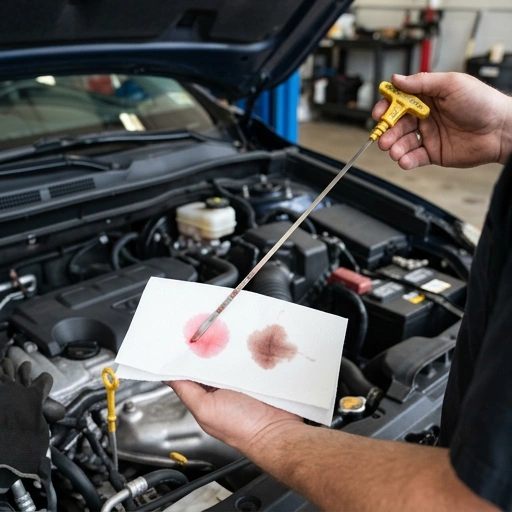
Using a transmission fluid dipstick makes it easy to visually inspect fluid colour. Always compare the fluid on the dipstick to a transmission fluid color chart for accurate diagnosis.
Diagnosing Transmission Fluid Smell and Consistency
Beyond colour, the smell and texture of transmission fluid provide further clues about its health and potential transmission issues:
- Burnt Toast Smell: A distinct burnt smell usually indicates overheating and burnt fluid, often warning of clutch-pack damage or transmission overheating.
- Rotten Egg Smell: This sulphur-like odour may suggest coolant contamination from a leaking cooler or internal transmission seal failure.
- Fluid Consistency: Healthy transmission fluid feels smooth and slippery. Gritty or thickened fluid suggests fluid contaminants like metal shavings or degradation products.
Performing transmission fluid smell tests and touch tests during routine service checks helps catch problems early.
Common Causes of Transmission Fluid Discolouration
Understanding why transmission fluid changes colour helps diagnose the root causes of transmission issues:
- Fluid Oxidation: Heat causes ATF to oxidise, turning it brown and reducing lubrication effectiveness.
- Transmission Overheating: Excessive heat can burn the fluid black and damage clutch packs.
- Fluid Contamination: Metal shavings from worn transmission gears or clutch plates can darken the fluid and cause abrasive damage.
- Coolant Leaks: Coolant mixing with transmission fluid creates a pink or milky appearance, risking corrosion and failure.
- Fluid Leaks: External leaks reduce fluid levels and can introduce dirt or moisture, accelerating wear.
Transmission Fluid Maintenance: Flush vs Drain & Fill
Maintaining clean transmission fluid is essential for avoiding transmission damage and costly repairs. Two common service methods are:
| Service Method | Description | Pros | Cons |
|---|---|---|---|
| Drain & Fill | Draining old fluid and refilling with fresh ATF. | Simple, cost-effective, removes some contaminants. | Does not remove all old fluid; less thorough. |
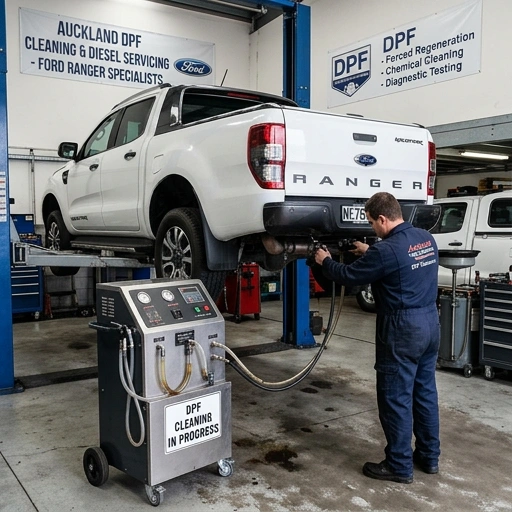
| Transmission Fluid Flush | Using specialised equipment to fully replace all fluid and flush contaminants. | More complete fluid replacement; removes sludge and debris. | More expensive; risk of dislodging particles causing blockages if not done properly. |
Regular transmission fluid changes or flushes as per manufacturer recommendations are key to preventing clutch-pack wear and transmission slipping.
How to Check Your Transmission Fluid: A Step-by-Step Guide
- Park your vehicle on level ground: This ensures an accurate fluid level reading.
- Warm up the engine: Run the vehicle for a few minutes to warm the transmission fluid to operating temperature.
- Locate the transmission fluid dipstick: Refer to your owner’s manual if unsure; typically near the back of the engine bay.
- Remove the dipstick and wipe clean: Use a lint-free cloth to prevent contamination.
- Reinsert the dipstick fully and remove again: Check the fluid level and observe its colour and smell.
- Compare fluid colour to a reference chart: Identify if the fluid is red, brown, black, or pink.
- Smell the fluid carefully: Detect any burnt or unusual odours indicating potential issues.
- Note any particles or grit: Presence of metal shavings or sludge signals transmission clutch or gear wear.
- Top up or change fluid if necessary: Follow manufacturer guidelines or consult a professional mechanic.
FAQ
Why is my transmission fluid brown or black?
Brown fluid indicates oxidation and ageing, while black fluid suggests overheating or severe contamination. Both require inspection and possibly a fluid change or flush.
Can I drive with burnt-smelling transmission fluid?
It’s not recommended. Burnt fluid signals overheating and clutch damage, which can worsen if ignored. Seek diagnosis promptly.
What is the difference between a transmission fluid flush and a drain and fill?
A flush replaces nearly all the fluid and removes contaminants, while a drain and fill only replaces part of the fluid. Flushes are more thorough but costlier.
How often should I check my transmission fluid?
Check at least every 15,000 to 30,000 kilometres or as recommended by your vehicle manufacturer, especially before long trips.
Is pink transmission fluid a sign of coolant leak?
Yes, pink or milky fluid often indicates coolant contamination inside the transmission and needs immediate attention.
What does metal shavings in transmission fluid mean?
Metal shavings usually point to clutch or gear wear inside the transmission and can lead to failure if not addressed.
Can I perform a transmission fluid flush myself?
Transmission fluid flushes require specialised equipment and knowledge. It’s best done by a qualified automotive technician to avoid damage.
Contact Us for Transmission Fluid Inspection and Maintenance
If you notice unusual transmission fluid colour or smell, don’t ignore it. Early diagnosis can save you from costly transmission repair or replacement.
We are a local Kiwi-owned rental car company based in Māngere, Auckland, offering reliable vehicles and advice for your automotive needs. While we specialise in rentals, we encourage you to keep your vehicle’s transmission in top shape by regular fluid checks and servicing.
For expert advice or to book a transmission fluid inspection with a trusted local mechanic, call us today at 022 033 1186. We are experienced travellers ourselves — we know how important a good car is for a great trip.
Book your vehicle maintenance early and ensure your transmission fluid stays healthy for safe and smooth driving.
Registered WINZ provider. We can provide a quote for Work and Income (WINZ) funding.