- Understanding the difference between a coolant flush and a top up can prevent engine overheating and costly repairs.
- Coolant flush removes old, contaminated coolant and corrosion buildup, protecting your engine’s cooling system.
- Top up is a quick addition of coolant to maintain proper levels but doesn’t replace degraded fluid.
- Regular coolant flush intervals depend on vehicle make and coolant type, typically every 2–5 years or 50,000–100,000 km.
- Proper disposal and recycling of used coolant is important for environmental safety in New Zealand.
Introduction to Coolant Maintenance
Whether you’re a seasoned driver or new to vehicle care, understanding how to maintain your engine coolant is crucial. The cooling system keeps your engine running at the right temperature, preventing overheating and damage.
We are a local Kiwi-owned business, Oil Pro, passionate about helping New Zealand drivers keep their vehicles in top condition. This guide will explain the difference between a coolant flush and a top up, when each is necessary, and how to do it safely.
What Is a Coolant Flush?
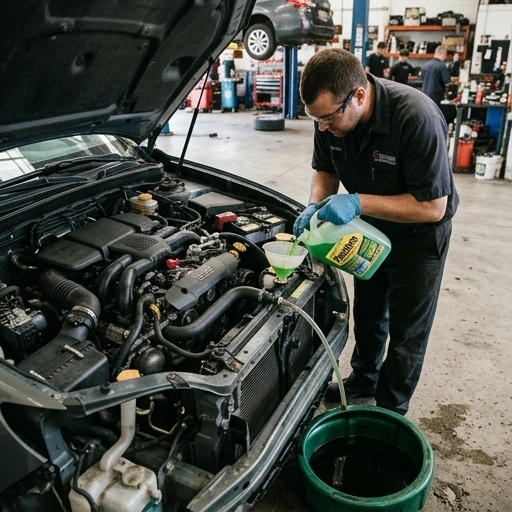
A coolant flush involves completely draining the old coolant from your vehicle’s cooling system and replacing it with fresh fluid. Over time, coolant can become acidic and contaminated, which can cause corrosion and damage to the radiator, engine block, and hoses.
During a flush, the entire cooling system—including the radiator, heater core, and engine block—is cleaned to remove rust, scale, and chemical deposits. This maintenance helps restore the cooling system’s efficiency and prolongs its lifespan.
- Why flush coolant? To remove degraded fluid and corrosion that can block coolant flow.
- Typical interval: Every 2–5 years or 50,000–100,000 km, depending on your vehicle and coolant type.
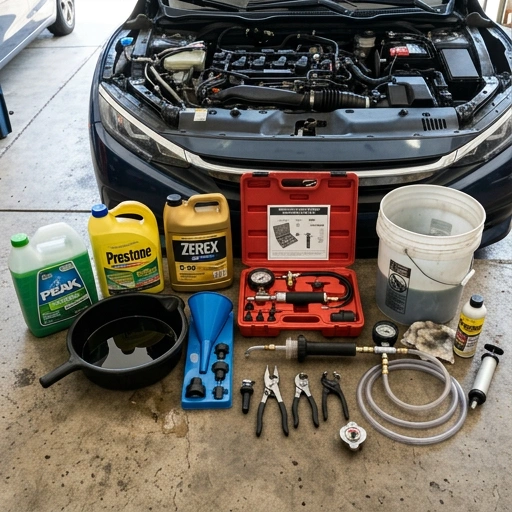
- Tools & materials: Coolant recovery tank, suction gun, torque wrench, hose clamps, and proper disposal containers.
What Is a Coolant Top Up?
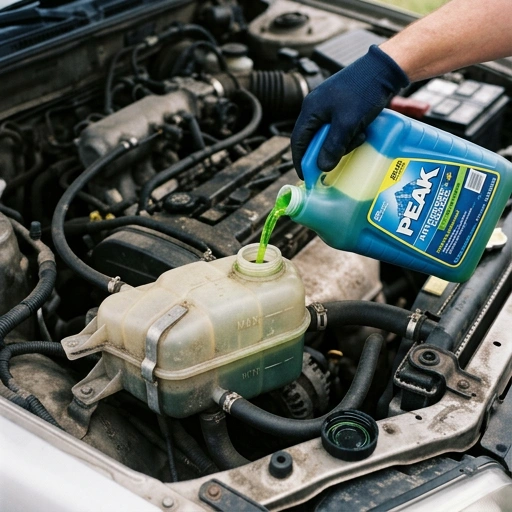
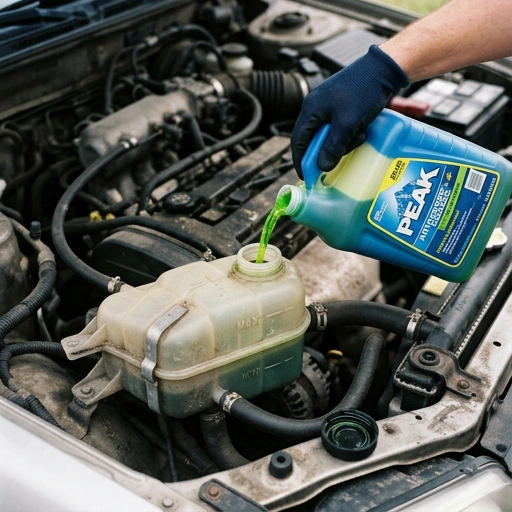
A coolant top up is a simpler process where you add coolant to the coolant reservoir to maintain the correct fluid level. It is necessary when coolant is lost due to evaporation, minor leaks, or after engine warm-up.
Top ups help prevent the engine from overheating between scheduled flushes but do not replace old or degraded coolant. Always use the correct coolant type recommended by your vehicle maker to avoid chemical incompatibilities.
- When to top up: If the coolant level in the reservoir drops below the minimum mark.
- Common causes: Minor leaks, evaporation, or consumption during normal engine operation.
- Important: Never mix incompatible coolant types or use water alone.
Coolant Flush vs Top Up: Comparison Table
| Aspect | Coolant Flush | Coolant Top Up |
|---|---|---|
| Purpose | Remove old coolant and contamination | Maintain correct coolant level |
| Frequency | Every 2–5 years or 50,000–100,000 km | As needed between flushes |
| Effect on Cooling System | Improves system efficiency, removes corrosion | Prevents overheating due to low fluid |
| Complexity | Requires professional tools and disposal | Simple, can be done by most vehicle owners |
| Cost | Higher due to labour and materials | Lower, just coolant purchase |
When to Perform a Coolant Flush
Knowing when to flush your coolant is essential to avoid corrosion and overheating. Signs you need a flush include:
- Coolant looks rusty, cloudy, or has debris.
- Engine temperature gauge shows overheating or fluctuating readings.
- Presence of coolant consumption or leaks.
- Following your vehicle’s recommended coolant change interval.
In New Zealand’s varying climate, flushing helps protect your cooling system from corrosion and mineral build-up, especially if you drive in coastal or humid areas.
Steps to Perform a Coolant Flush and Top Up
- Prepare the vehicle: Park on a level surface, apply the brake handbrake, and let the engine cool completely.
- Drain old coolant: Use a suction gun or open the radiator drain plug, collecting coolant in a recovery tank.
- Flush the system: Refill with clean water and run the engine to circulate, then drain again to remove contaminants.
- Refill with fresh coolant: Use the correct coolant type and mix ratio recommended by your vehicle manufacturer.
- Bleed the cooling system: Remove air pockets by opening bleed screws or running the engine with the radiator cap off.
- Check levels: Top up the coolant reservoir to the proper mark.
- Dispose of old coolant: Take used fluid to a council recycling facility or authorised disposal centre for environmental safety.
Tips for Safe and Effective Coolant Maintenance
- Always check the vehicle manual or manufacturer’s guidelines for coolant types and change intervals.
- Never mix different coolant colours or types unless specified as compatible.
- Wear gloves and eye protection when handling coolant and chemicals.
- Ensure the engine is cool before opening the radiator cap or reservoir to avoid burns from hot steam.
- Use a torque wrench to tighten hose clamps and radiator caps to manufacturer specifications.
- Recycle used coolant responsibly at a council recycling facility or recycling centre in New Zealand.
- Consider professional help from local specialists like My Auto Shop or Supercheap Auto if unsure.
FAQ
What is the difference between a coolant flush and a top up?
A coolant flush replaces all the old coolant and cleans the system, while a top up simply adds coolant to maintain the level between flushes.
How often should I flush my vehicle’s coolant?
Typically every 2–5 years or 50,000–100,000 km, but check your vehicle’s manual for exact recommendations.
Can I mix different coolant types when topping up?
Mixing incompatible coolant types can cause chemical reactions and damage; always use the coolant type specified by your vehicle manufacturer.
Is it safe to handle coolant myself?
Coolant contains chemicals that can be harmful; wear gloves and eye protection, and never open the radiator cap when the engine is hot.
How do I dispose of used coolant safely in New Zealand?
Used coolant should be taken to a council recycling facility or authorised recycling centre to ensure environmental safety.
What happens if I don’t flush the coolant regularly?
Old coolant can become acidic, causing corrosion, blockages, and eventually engine overheating or damage.
Can a coolant top up fix an overheating engine?
A top up can help if coolant levels are low, but if overheating persists, a full flush or professional inspection might be necessary.
Where can I get help with coolant maintenance in New Zealand?
Local auto shops like My Auto Shop or retail outlets such as Supercheap Auto offer products and services for coolant maintenance.
Contact Oil Pro for Professional Coolant Services
At Oil Pro, we are a local Kiwi-owned business based in New Zealand dedicated to helping you maintain your vehicle’s cooling system. We provide expert advice and reliable services to keep your engine running cool and efficient.
Whether you need a full coolant flush or just a quick top up, our experienced team is here to help. We know how important a good cooling system is for your vehicle’s health and your peace of mind.
Book your coolant maintenance service with us today and experience friendly, professional care that New Zealand drivers trust. Call us at 022 033 1186 or visit our local workshop. We also offer convenient payment options, including Afterpay, for your ease.