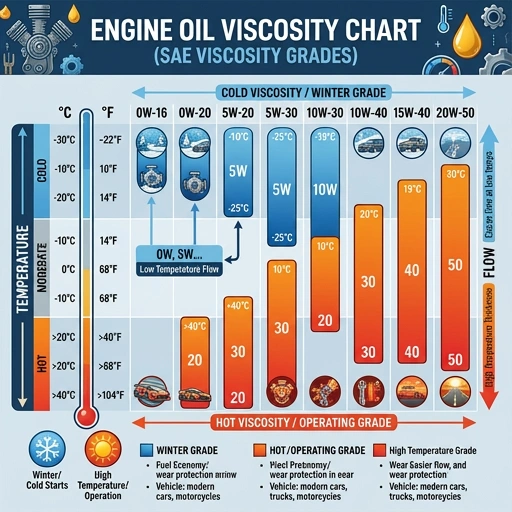
- Engine oil viscosity affects lubrication, cold-start performance, and fuel efficiency.
- Thicker oil isn’t necessarily better for hybrid or modern engines; following manufacturer recommendations is crucial.
- Viscosity grades like 0W-20 or 5W-30 indicate oil flow characteristics at different temperatures.
- Using the correct viscosity helps protect your engine, maintain warranty, and avoid oil breakdown.
- We are Oil Pro, a local Kiwi-owned company based in Māngere, Auckland, providing reliable advice and quality oils for New Zealand conditions.
Introduction to Engine Oil Viscosity
Engine oil viscosity is a key factor in engine protection and performance, especially for hybrid vehicles and modern engines. Many drivers in New Zealand still believe thicker oil protects older engines better, but this isn’t always true.
We are Oil Pro, a local Kiwi-owned company based in Māngere, Auckland. We provide reliable, affordable oils and expert advice for New Zealand drivers. This guide will help you understand oil viscosity grades such as 0W-8, 0W-16, and 0W-20, and why choosing the right viscosity is important for your car’s health and fuel efficiency.
By the end, you’ll know how viscosity affects lubrication, engine wear, and cold-start performance, helping you make informed decisions for your next oil change.
What Is Engine Oil Viscosity?
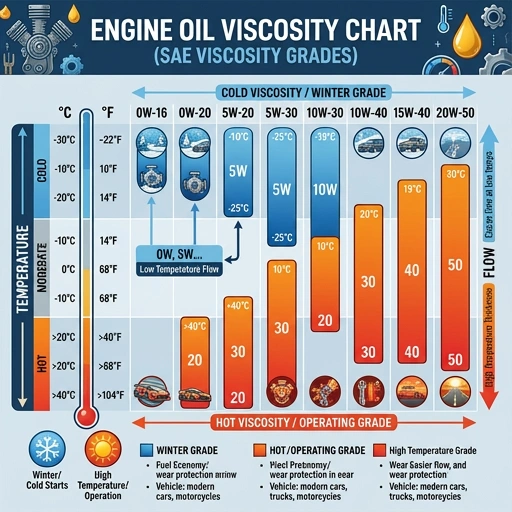
Viscosity measures an oil’s resistance to flow. In simple terms, it describes how thick or thin the oil is at different temperatures. The right viscosity ensures proper lubrication, reducing engine wear and improving fuel efficiency.
For example, a 0W-20 oil is thinner in cold temperatures than a 5W-40 oil, allowing better cold-start performance and faster engine protection when temperatures drop.
- Cold Viscosity (W): The number before the “W” (winter) indicates how the oil flows at low temperatures.
- High-Temperature Viscosity: The number after the “W” shows how the oil behaves at operating engine temperatures.
Using oil with the right viscosity is critical to avoid oil breakdown and maintain lubrication under New Zealand’s varied climate conditions.
Why Thicker Oil Is Not Better for Hybrids
There is a common myth that thicker oil protects engines better, especially older or hybrid models. However, modern hybrids and petrol engines are designed with tighter tolerances and require specific viscosity grades to perform efficiently.
Using thicker oil than recommended can:
- Reduce fuel efficiency by increasing engine drag.
- Cause poor cold-start performance, especially in New Zealand’s cooler regions or seasons.
- Lead to incomplete lubrication, increasing engine wear over time.
Manufacturers often specify thin viscosity oils like 0W-8 or 0W-16 for hybrids to enhance fuel economy and ensure quick lubrication at start-up.
Choosing the correct viscosity helps protect your engine and keeps your vehicle warranty valid, as many OEM partnerships require adherence to recommended oil standards.

Types of Engine Oils and Viscosity Grades
Engine oils come in various types and viscosity grades, commonly including:
- Mineral Oil: Traditional oil, less refined, and suitable for older engines but prone to faster breakdown.
- Semi-Synthetic Oil: A blend of mineral and synthetic oils offering better protection and longer intervals between oil changes.
- Synthetic Oil: Chemically engineered oils with superior additive technology, providing excellent lubrication, engine wear protection, and oil breakdown resistance.
Viscosity grades vary widely, with common examples in New Zealand including 0W-20, 5W-30, 5W-40, 10W-30, and 15W-40. Each grade suits different engines and climate conditions.
| Viscosity Grade | Best For | Typical Use Cases in NZ |
|---|---|---|
| 0W-8, 0W-16, 0W-20 | Modern hybrids, fuel-efficient engines | Cold-starts, urban driving, NZ’s moderate climate |
| 5W-30, 5W-40 | Standard petrol/diesel engines | All-season use, higher temperatures, longer trips |
| 10W-30, 15W-40 | Older or heavy-duty engines | Warmer regions, trucks, and older vehicle models |

How to Choose the Right Oil Viscosity
Selecting the right engine oil viscosity depends on your vehicle type, driving conditions, and manufacturer recommendations.
Here’s a checklist to help you choose correctly:
- Check your owner’s manual: Always start with the manufacturer’s recommended viscosity grade.
- Consider your climate: In colder regions of New Zealand, lower cold viscosity oils (e.g., 0W-20) help with cold starts.
- Evaluate driving habits: Frequent short trips or stop-start traffic may require oils with better additive technology to prevent oil breakdown.
- Choose oil type: Synthetic oils provide better lubrication and engine wear protection, especially for modern engines.
- Confirm warranty requirements: Using the recommended oil viscosity helps maintain your vehicle warranty.
Following these steps ensures your engine runs smoothly and fuel efficiency is optimised.

Related reading
For more insights on engine oil and maintenance, check out our detailed guide on Cheap Oil Change Auckland – Avoid Costly Mistakes with Full Synthetic Oil.
FAQ
What does the “0W” in oil viscosity mean?
The “0W” indicates the oil’s cold temperature flow rating. The lower the number before the “W” (winter), the better the oil performs during cold starts, which is important in New Zealand’s cooler climates.
Can I use thicker oil to protect an older engine?
Using thicker oil than recommended can reduce fuel efficiency and may not provide better protection. It’s best to follow manufacturer guidelines to avoid increased engine wear and maintain warranty coverage.
How often should I change synthetic engine oil?
Synthetic oils generally last longer than mineral oils, typically needing changes every 10,000 to 15,000 kilometres. However, always follow your vehicle’s manual and watch for the oil change indicator light.
Is 0W-20 oil suitable for New Zealand’s climate?
Yes, 0W-20 oil is suitable for most regions in New Zealand, offering excellent cold-start performance and fuel efficiency for modern engines, including hybrids.
What role do engine oil additives play?
Additives enhance oil performance by reducing engine wear, preventing oxidation, and improving lubrication. Advanced additive technology especially benefits synthetic oils.
Book your engine oil change with Oil Pro in Auckland
At Oil Pro, we are a small Kiwi-owned company based in Māngere, Auckland. We understand how important the right engine oil viscosity is for your car’s health and your peace of mind.
We provide reliable advice and quality oils tailored to New Zealand conditions and your vehicle’s needs. Whether you drive a hybrid or a conventional petrol engine, our team is here to help you choose the best oil and keep your engine running smoothly.
Book your engine oil change with us today and experience expert service, realistic pricing, and local support. We are experienced travellers ourselves — we know how crucial a good oil change is for a great trip.