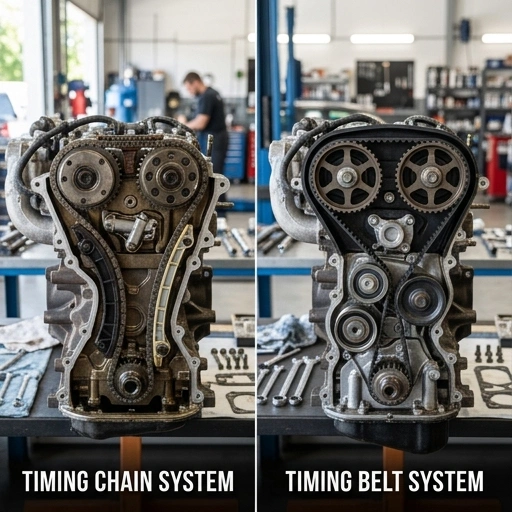
- Timing chains usually last longer than belts but require clean oil and proper tensioners to avoid stretch.
- Timing belts need regular replacement, typically every 60,000 to 100,000 km, to prevent engine damage.
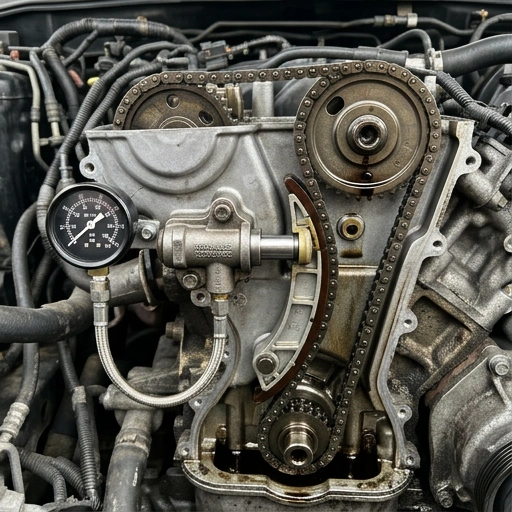
- Hydraulic tensioners depend on oil pressure—clean oil helps keep timing chains tight and prevent failure.
- Timing belt failure can cause catastrophic engine damage, especially in interference engines common in many European and Japanese cars.
- Regular maintenance and choosing the right timing system for your vehicle ensures engine longevity and reliability.
Introduction to Timing Chain and Belt Maintenance
When it comes to keeping your vehicle’s engine running smoothly, the timing chain and timing belt play crucial roles. These components synchronize the rotation of the crankshaft and camshaft, ensuring valves open and close at the right times during the combustion cycle.
We are a local Kiwi-owned company based in New Zealand, and we understand how vital it is to maintain these parts properly. Whether your car uses a timing chain or a belt, regular maintenance is key to avoiding costly engine repairs.
This guide covers the differences between timing chains and belts, their maintenance needs, and tips to keep your engine healthy for years to come.
How Timing Chains Work and Maintenance Tips
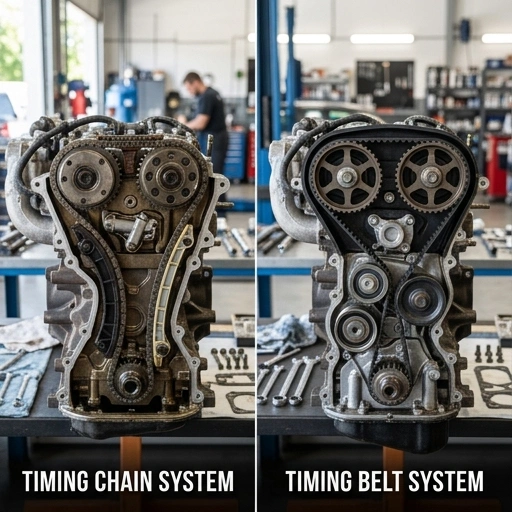
Timing chains are made of metal links, similar to a bicycle chain, and are designed to last much longer than belts—often the lifetime of the engine. They are commonly found in many European brands like Audi, Volkswagen, BMW, Mercedes-Benz, and Volvo, as well as Japanese vehicles such as Subaru Impreza Sport and Toyota Prius.
The chain runs inside the engine lubricated by oil, which keeps it clean and reduces wear. Hydraulic tensioners use oil pressure to maintain proper chain tension, preventing slack that can cause timing issues or chain stretch.
- Oil quality matters: Dirty or low oil pressure can cause tensioners to fail, leading to chain slack or even engine damage.
- Regular oil changes: Using manufacturer-recommended oil and changing it on time helps maintain tensioner performance.
- Listen for noise: Rattling or clanking noises from the engine could indicate chain wear or tensioner problems.
- Professional checks: Have your timing chain inspected during routine servicing, especially if your car has high mileage.
Timing Belt Basics and Why Maintenance is Critical
Timing belts (also called cambelts) are made from reinforced rubber and require replacement at set intervals, usually between 60,000 and 100,000 kilometres depending on the vehicle and manufacturer specifications. Many cars from brands like Toyota Aqua, Mazda Axela, and European marques such as Skoda, Jaguar, and Land Rover use timing belts.
A worn or broken timing belt can cause severe engine damage, especially in interference engines where valves and pistons occupy the same space at different times. If the belt snaps, valves can hit pistons, leading to costly repairs or engine failure.
- Replacement intervals: Follow your vehicle’s service manual for timing belt change schedules.
- Water pump replacement: Often replaced simultaneously with the belt since they share the drive system and similar lifespan.
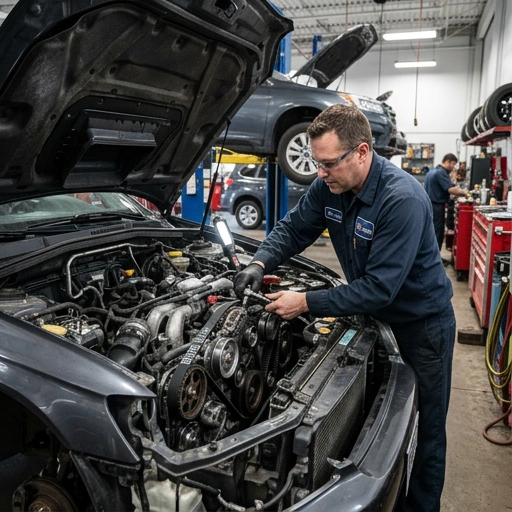
- Check tensioners and pulleys: These components wear out and should be inspected or replaced during belt service.
- Signs of wear: Cracks, glazing, or fraying on the belt surface indicate it’s time for replacement.
Pros and Cons of Timing Chains vs Belts
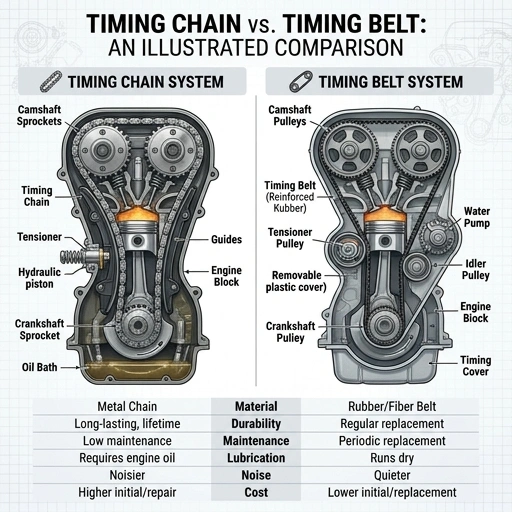
| Feature | Timing Chain | Timing Belt |
|---|---|---|
| Longevity | Typically lasts engine life | Needs replacement every 60,000-100,000 km |
| Maintenance | Requires clean oil and tensioner checks | Requires scheduled replacement and tensioner inspection |
| Failure risk | Less likely if maintained; chain stretch possible | High risk of engine damage if broken |
| Noise | Can produce rattling if tensioners fail | Generally quieter operation |
| Cost | More expensive to repair if issues arise | Cheaper to replace but more frequent service |
Maintenance Checklist for Timing System Health
- Check oil quality: Regularly service engine oil to maintain hydraulic tensioners for timing chains.
- Listen for unusual noises: Rattling or ticking may signal chain or tensioner wear.
- Inspect timing belt condition: Look for cracks, wear or fraying signs during servicing.
- Replace timing belt on schedule: Follow manufacturer’s recommended intervals strictly.
- Replace associated components: Change water pump, tensioners, and pulleys when replacing belts.
- Consult professionals: Have experienced mechanics from trusted providers like Cook European or Sterling Cars in New Zealand inspect your timing system.
- Keep records: Document replacements and inspections for future reference.
Related reading
For more detailed information about timing belts and their replacement, check out our Belt change service page.
FAQ
How often should I replace my timing belt?
Timing belts generally require replacement every 60,000 to 100,000 km, depending on your vehicle’s make and model. Always consult your owner’s manual or a qualified mechanic for specific intervals.
Can a timing chain stretch and cause engine problems?
Yes, timing chains can stretch over time, especially if oil quality is poor and tensioners fail. This can lead to poor engine timing and potential damage. Regular oil changes help prevent this.
What are the signs of a failing timing belt?
Common signs include ticking noises from the engine, engine misfires, rough idling, or difficulty starting. Visible wear like cracks or fraying indicates the belt needs replacement.
Is it cheaper to maintain a timing belt or chain?
Timing belts require periodic replacement, which can be less costly but more frequent. Timing chains generally last longer but repairs can be more expensive if issues arise.
Can a broken timing belt cause engine failure?
Yes, especially in interference engines common in many European and Japanese cars, a broken timing belt can cause valves to collide with pistons, leading to severe engine damage.
How important is oil quality for timing chain maintenance?
Oil quality is critical because hydraulic tensioners rely on oil pressure to keep the timing chain tight. Dirty or low-quality oil can cause tensioner failure and chain stretch.
Do all cars use timing belts or chains?
No, some vehicles use timing chains, others use belts, and a few use gear-driven systems. Brands like Audi, BMW, and Subaru often use chains, while Toyota and Mazda models may use belts.
Contact Oil Pro for Expert Timing System Maintenance
We are Oil Pro, a local Kiwi-owned company passionate about helping New Zealand drivers keep their engines running smoothly. Based in Sylvia Park, Auckland, we provide expert maintenance services ensuring your timing chain or belt stays in top condition.
Our experienced team knows the importance of clean oil and proper tensioner service to prevent timing chain stretch and costly engine repairs. Whether you drive a Toyota Prius, Volkswagen, or BMW, we offer reliable, affordable care tailored to your vehicle’s needs.
Book your timing system inspection or belt replacement with Oil Pro today. We are experienced travellers ourselves — we know how important a good car is for a great trip around New Zealand.