- Turbocharger oil feed lines supply vital clean oil to cool and lubricate your turbocharger.
- Contaminated or clogged oil feed lines can cause turbo failure costing thousands in repairs.
- Upgrading to braided oil feed line kits improves durability and reduces leak risks.
- Regular inspection and using quality turbo oil & water line kits prevent sludge buildup and maintain performance.
- We are a local Kiwi-owned business in Auckland specialising in reliable turbo oil feed line solutions.
Introduction to Turbocharger Oil Feed Lines
Turbocharger oil feed lines play a crucial role in the health and performance of your turbo system. They deliver pressurised oil from the engine to the turbocharger, providing necessary lubrication and cooling. Without clean, consistent oil flow through these lines, even a tiny particle of sludge can cause severe damage, leading to costly turbo failure.
As a small Kiwi-owned company based in Auckland, we understand the importance of quality turbo components. We provide reliable braided oil feed line kits and complete turbo oil & water line kits suitable for NZ vehicles, including Nissan PULSARs and other popular turbo models. This guide explains how turbo oil feed lines work, why maintenance matters, and how to prevent turbo failure effectively.
How Turbocharger Oil Feed Lines Work
The turbocharger operates at extremely high speeds and temperatures. To keep the turbo’s ball bearing or journal bearing systems running smoothly, oil must be constantly supplied and returned. The oil feed line carries hot, pressurized engine oil from the oil pump to the turbo’s oil inlet.
Key points about turbo oil feed lines include:
- Oil supply: Pressurised engine oil flows through the feed line to lubricate the turbo shaft and bearings.
- Cooling role: Oil also helps cool the turbocharger, preventing overheating damage.
- Oil return: After lubricating, oil drains back to the sump via the oil drain line.
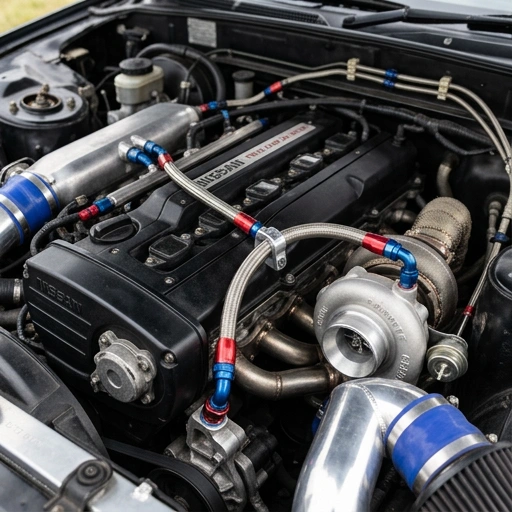
- Material and construction: Braided oil feed line kits, often made from stainless steel or high-quality synthetic hoses with firesleeve protection, offer superior heat resistance and durability compared to rubber lines.
Popular turbo models like the Nissan RB20DET, RB25DET, and RB30 benefit significantly from upgraded braided oil & water line kits designed to handle higher pressures and temperatures, reducing failure risks.
Common Causes of Turbo Oil Feed Line Failure
Understanding what causes oil feed line failures helps prevent turbo damage. The most common issues include:
- Oil contamination and sludge: Dirty oil containing contaminants or sludge can block the narrow oil feed line, starving the turbo of lubrication.
- Oil restrictors and improper fittings: Incorrectly sized oil restrictors or poor-quality fittings like cheap push-lock barb hose fittings can cause leaks or reduced oil flow.
- Wear and damage: Rubber lines degrade over time due to heat and vibration, leading to cracks or leaks. Braided lines are more resistant but can still be damaged during installation.
- Poor installation: Incorrect routing or kinking of lines restricts oil flow and increases failure risk.
- Aftermarket turbo compatibility: Some aftermarket turbos, such as Precision Turbo or Garrett units, may require specific turbo oil feed kits and flanges for reliable operation.
Upgrading to Braided Turbo Oil Feed Line Kits
Many NZ car enthusiasts upgrade to braided oil feed line kits for performance and reliability benefits. These kits feature:
- Enhanced durability: Stainless steel braiding protects against heat, abrasion, and oil leaks.
- Better oil flow: Designed with correct AN fittings (-10AN, -12AN) and stainless steel oil restrictors to maintain optimum oil pressure.
- Compatibility: Universal performance turbo oil feed lines are available for popular vehicles like Nissan PULSAR, Toyota models (CT12, CT20, CT26), Subaru, and EVO turbos.
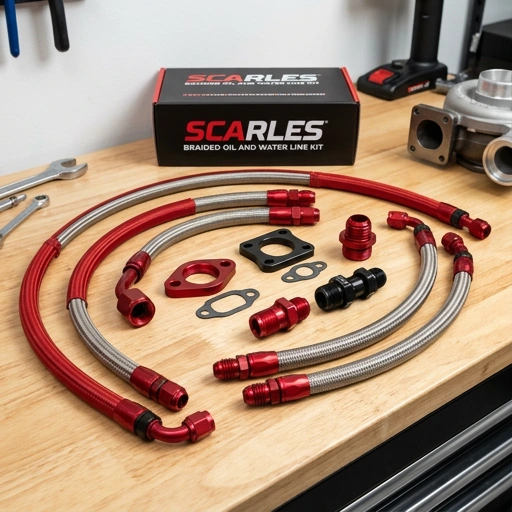
- Complete kits: Many kits, such as Scarles braided oil & water line kits, include turbo flanges, oil drain/return flexible pipes, and firesleeves for full system protection.
Upgrading your turbo oil feed lines in Auckland or anywhere in NZ can significantly reduce risk of turbo failure and extend turbo lifespan.
Maintaining Clean Oil Flow for Turbo Health
Regular maintenance is vital to prevent sludge buildup that can block turbocharger oil feed lines. Consider the following:
- Use high-quality synthetic oil: Synthetic oils reduce deposit formation and maintain stable viscosity at high temperatures.
- Regular oil and filter changes: Follow manufacturer recommendations for oil change intervals to avoid contamination.
- Inspect oil feed lines periodically: Look for signs of leaks, cracks, or damage, especially in older rubber lines.
- Flush turbo oil feed lines if needed: Professional cleaning can remove sludge and debris blocking lines.
- Ensure correct fittings and restrictors: Use quality stainless steel oil restrictors and matching turbo flanges to maintain proper oil flow.
Step-by-Step Guide to Installing a Braided Oil Feed Line Kit
- Prepare your workspace: Park your vehicle on a level surface and allow the engine to cool completely.
- Remove old oil feed lines: Carefully disconnect the existing lines from the turbo and engine, noting routing and fittings.
- Check turbo flange compatibility: Ensure the new braided kit matches your turbo model (e.g., RB25DET, S300, Garrett).
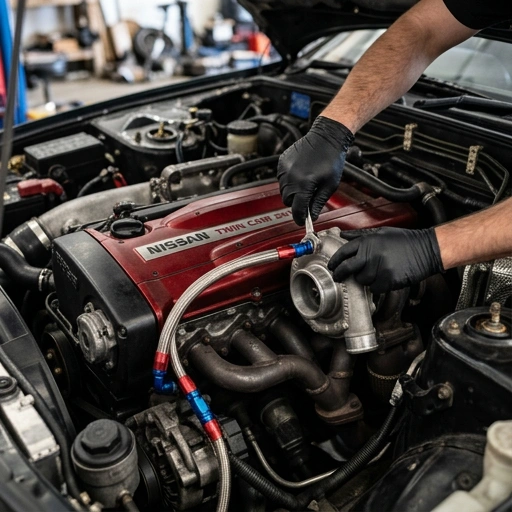
- Fit the braided oil feed line: Connect the line to the engine oil source and turbo inlet using supplied AN fittings and stainless steel oil restrictors.
- Secure the oil drain/return line: Attach the turbo oil drain flexible pipe to the turbo outlet and sump return, avoiding kinks.
- Inspect and tighten all fittings: Use proper torque settings to prevent leaks but avoid over-tightening.
- Test for leaks: Start the engine and check for oil leaks around all new fittings and hoses.
- Monitor oil pressure and turbo performance: After installation, keep an eye on engine oil pressure and turbo boost behaviour during initial drives.
| Oil Feed Line Type | Material | Benefits | Best For |
|---|---|---|---|
| Rubber Hose | Rubber | Low cost, easy to replace | Low boost, stock setups |
| Braided Oil Feed Line Kit | Stainless Steel braid with synthetic hose | High durability, heat resistant, leak-proof | Performance turbos, aftermarket upgrades |
| Universal Performance Lines | Braided steel with AN fittings | Flexible fitment, wide compatibility | Custom turbo builds, NZ performance vehicles |
FAQ
What causes turbo oil feed lines to clog?
Oil feed lines can clog due to sludge and contaminants in old or dirty engine oil. Regular oil changes and using high-quality synthetic oils help prevent clogging.
How often should I replace turbo oil feed lines?
Inspect oil feed lines regularly; rubber lines typically need replacement every few years, while braided kits last longer but should be checked for damage or leaks.
Can I install a universal braided oil feed line kit on my turbo?
Universal kits are available and can fit many turbo models, but you must ensure compatibility with your specific turbo flange and engine setup.
Why is clean oil essential for turbochargers?
Clean oil lubricates and cools the turbo’s bearings. Contaminated oil can cause wear, overheating, and eventual turbo failure.
Are ball bearing turbos more sensitive to oil feed issues?
Yes, ball bearing turbos require consistent clean oil flow to maintain their precision and longevity. Oil feed line maintenance is critical.
What is an oil restrictor and why is it important?
An oil restrictor controls oil flow to the turbo, preventing excessive pressure or drain-back issues. Properly sized stainless steel restrictors improve reliability.
Contact Us for Turbo Oil Feed Line Solutions
We are a local Kiwi-owned business based in Auckland, dedicated to helping you keep your turbocharger running smoothly with quality turbo oil feed lines and kits. Whether you drive a Nissan PULSAR, Toyota, or Subaru turbo, our reliable braided oil & water line kits and expert advice will protect your investment.
Book your turbo oil feed line kit with us today. We provide affordable, durable solutions for NZ conditions and are experienced travellers ourselves — we know how crucial a good turbo system is for your drive and performance.
Contact Oil Pro at 022 033 1186 to discuss your turbo oil feed line needs or for installation tips.