- Vacuum oil extraction removes more sludge from your engine sump than traditional gravity methods.
- Gravity oil drain relies on natural flow, often leaving residue and sludge behind in the oil pan.
- Vacuum methods use compressors and pneumatic systems to suction oil, improving engine cleanliness and longevity.
- Occupational health and safety standards favour vacuum extraction for cleaner, safer oil changes.
- Choosing the right oil drain method depends on vehicle type, equipment availability, and safety considerations.
Introduction to Oil Drain Methods
When it comes to changing engine oil, the method used to drain the old oil plays a big role in engine health. Two common approaches are vacuum oil extraction and the traditional gravity oil drain. Each method has pros and cons that affect how much sludge and residue remain in your engine sump after draining.
We are Oil Pro, a trusted name specialising in professional vacuum oil extraction services. In this article, we’ll explain why the “old way” of gravity drainage often leaves sludge behind, and how vacuum oil extractors provide a cleaner, more efficient alternative. Understanding these differences can help you make informed decisions about maintaining your vehicle.
How Gravity Oil Drain Works
The gravity oil drain method is the classic way to remove oil from an engine. It involves unscrewing the drain plug at the bottom of the oil pan and allowing the oil to flow out naturally under gravity.
This manual oil drain approach is simple and requires no special equipment, making it a popular choice in many workshops and DIY scenarios. However, it has some drawbacks:
- Incomplete drainage: Gravity alone can’t remove all oil, especially sludge or thick deposits stuck in corners of the sump.
- Messy process: Oil drips and spills are common, increasing environmental risks and cleanup time.
- Requires warm engine: Oil drains best when hot, so extra time is needed to warm up the vehicle.
Because sludge settles at the bottom, even after draining, some residue remains. This build-up can affect engine performance and shorten oil change intervals.
Understanding Vacuum Oil Extraction
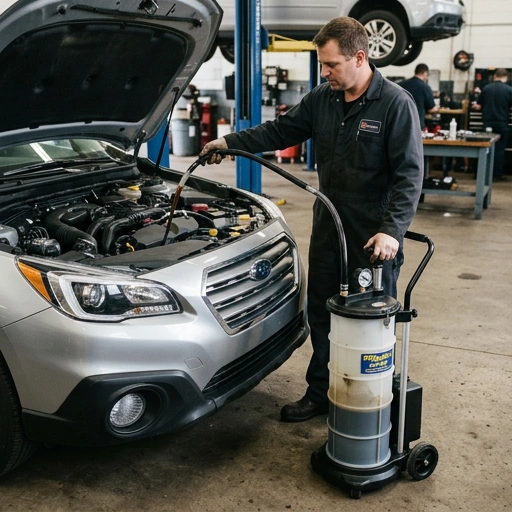
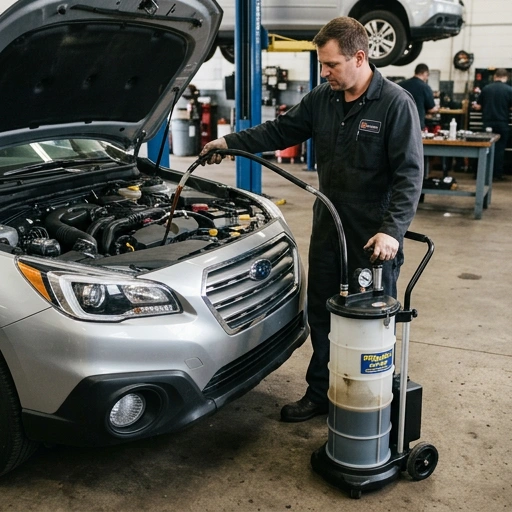
Vacuum oil extraction uses suction to pull oil out of the engine sump through the dipstick tube or a dedicated thread in the oil pan. This method involves an oil extractor connected to a pneumatic system or compressor that creates a vacuum, efficiently removing oil and sludge.
Key aspects of vacuum extraction include:
- Compressor or pneumatic system: Generates suction power to draw out oil through narrow passages.
- Oil extractor device: A sealed container that collects used oil without spills.
- Thread in the oil pan: Some vehicles have a dedicated thread allowing direct suction from the sump for more thorough extraction.
This suction method is widely used in modern workshops and by professional services like Oil Pro because it removes oil more completely and reduces mess and environmental hazards.
Comparative Benefits of Vacuum vs Gravity
Choosing between vacuum oil extraction and gravity oil drain can impact engine cleanliness and occupational safety. Here’s how they compare:
| Aspect | Vacuum Oil Extraction | Gravity Oil Drain |
|---|---|---|
| Oil Removal Efficiency | Removes up to 95% of oil including sludge | Typically leaves 10-20% of oil and sludge behind |
| Mess and Spills | Minimal due to sealed system | Potential spills and drips during drain |
| Safety and Health | Meets higher occupational health and safety standards | Exposes workers to oil splashes and fumes |
| Speed and Convenience | Faster, no need to warm engine extensively | Slower due to reliance on gravity flow |
Vacuum oil extraction is generally superior for keeping your engine cleaner and safer for mechanics. It is also preferred under occupational health and safety standards to reduce exposure to used oil.
Practical Tips for Effective Oil Extraction
To get the best from your oil drain, consider these practical tips:
- Check for thread in the oil pan: If your vehicle has a threaded port, use it for vacuum extraction to remove sludge efficiently.
- Use an electric oil drain or compressor: Ensure your vacuum system has enough suction power, ideally with a pneumatic system for reliability.
- Warm up the engine: Even with vacuum extraction, warm oil flows better and improves sludge removal.
- Follow occupational health and safety standards: Use sealed containers like REDATS oil extractors to avoid spills and exposure.
- Regular maintenance: Schedule oil changes at recommended intervals to prevent sludge build-up.
FAQ
What is the main difference between vacuum oil extraction and gravity oil drain?
Vacuum oil extraction uses suction to remove oil and sludge completely through the dipstick or oil pan, while gravity relies on natural oil flow after removing the drain plug, often leaving residue behind.
Is vacuum oil extraction safer for mechanics?
Yes, vacuum extraction reduces exposure to hot oil spills and fumes, aligning better with occupational health and safety standards.
Can I use vacuum oil extraction on any vehicle?
Most vehicles can use vacuum extraction, especially those with a thread in the oil pan or accessible dipstick tube, but check your vehicle’s manual or consult a professional.
Does vacuum extraction require special equipment?
Yes, it requires an oil extractor connected to a compressor or pneumatic system to create suction for effective oil removal.
Why does gravity oil drain leave sludge behind?
Because it depends on oil flowing naturally through a drain plug, sludge and thick deposits sitting at the sump’s bottom are not fully extracted.
How often should I change my oil to prevent sludge?
Follow your vehicle manufacturer’s recommended intervals, typically every 5,000 to 10,000 km, and consider vacuum extraction for thorough cleaning.
Get in Touch with Oil Pro
At Oil Pro, we specialise in vacuum oil extraction services that keep your engine cleaner and running smoothly. We are a local Kiwi-owned company committed to providing reliable, affordable oil drain solutions using the latest vacuum technology.
Whether you’re a professional workshop or a vehicle owner wanting the best, our experienced team understands how important a thorough oil change is for engine health. Book your vacuum oil extraction service with us today and experience cleaner oil changes with less mess and hassle.
Contact Oil Pro at 0220331186 for expert advice and efficient service tailored to your vehicle’s needs.